
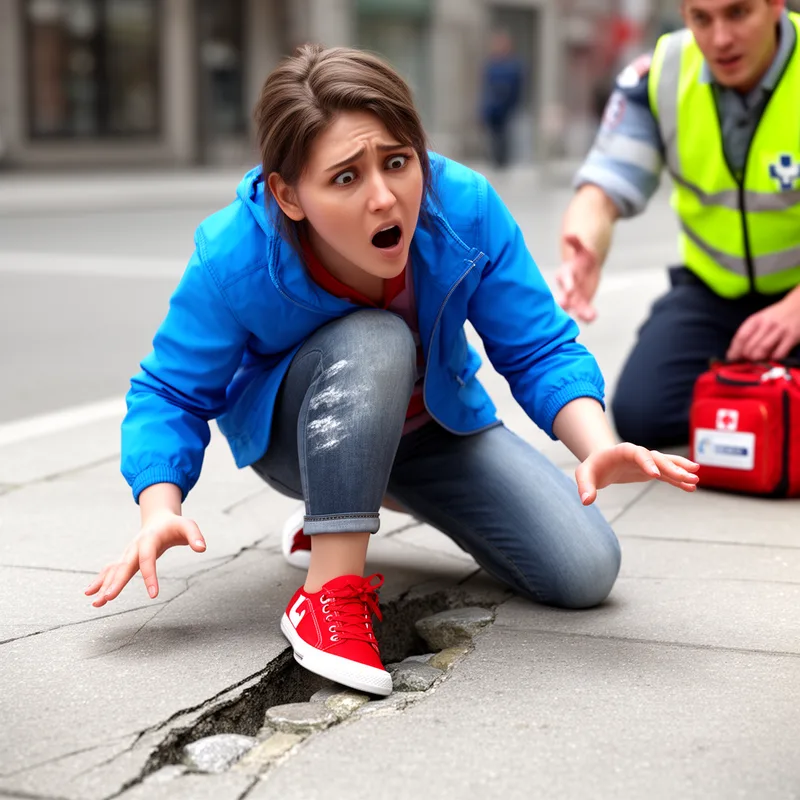
faller
- noun
- /ˈfɔːlər/
 :
caído
:
caído
- T-tests were used to determine the significance of performance differences between faller and non-faller groups.
- non-fallers
Examples
-
Inspection of the preliminary data suggests that differences in performance exist between fallers and non-fallers.
Academic text (1996) -
But you're a Flyer, not a faller.
-
Maybe, just maybe, I'm the faller.
-
Non-faller subjects completed all individual obstacles significantly faster than faller subjects.
Academic text (1996) -
Non-faller subjects completed all individual obstacles significantly faster than faller subjects.
Academic text (1996) -
The faller/non-faller status of the videotaped subjects was also unknown to the rater.
Academic text (1996) -
The faller/non-faller status of the videotaped subjects was also unknown to the rater.
Academic text (1996) -
Two consecutive trials were conducted on a randomly selected subgroup of eight subjects (four fallers and four non-fallers).
Academic text (1996) -
Mean obstacle course overall quality score, out of a maximum of 36, was 30.4 (6.47) for all subjects combined: 34.6 for non-fallers and 26.1 for fallers.
Academic text (1996) -
The faller accidentally tripped over a rock and landed hard on the ground.
How Steady


Surface Forms
Morphology
Etymology
Faller is made from fall and -er, meaning 'one who falls'. So a faller is simply a person who loses their balance or drops to the ground.