
faint
 14
4.4
14
4.4

- noun
- /feɪnt/
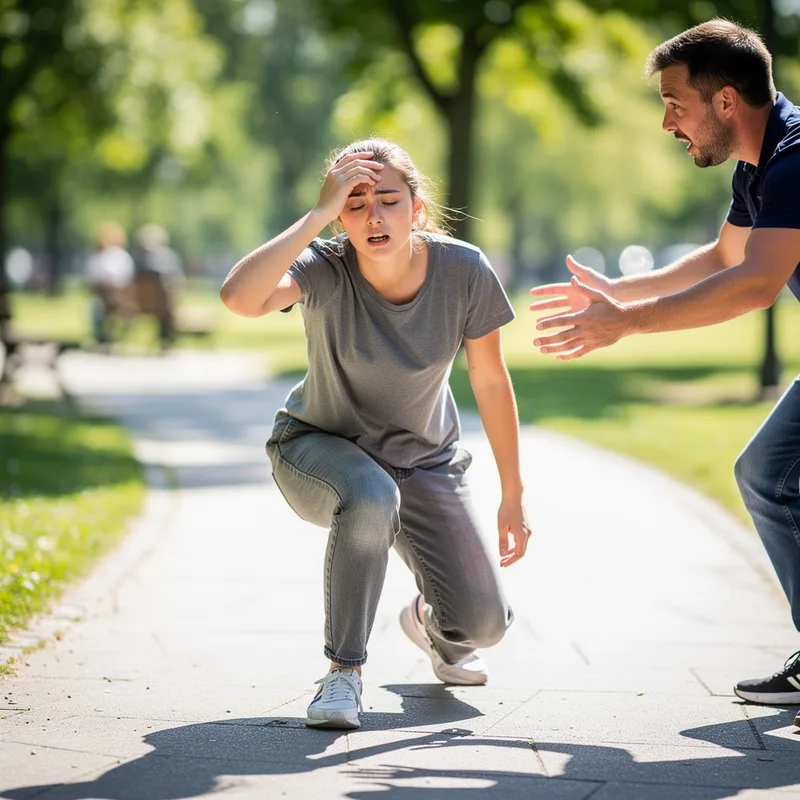
- The doctor advised her to sit down, as she was on the verge of a faint.
Examples
-
After working out in the heat, he experienced a faint and had to be helped.
-
Life here is amazing, just not for the faint of heart.
-
What you are about to see is not for the faint of heart.
-
The story of my life is not for the faint of heart.
-
I must admit it is not for the faint of heart.
-
The mountains are no place for the faint of heart.
-
Media education promises great rewards for teachers who risk it, but it is not for the faint of heart.
Academic text (1994) -
Suffice it to say, it is not for the faint of heart.
Blog text (23) -
Getting old ain't for the faint of heart, I'll tell you that.
-
Entrepreneurship isn't a road for everyone, and it certainly isn't for the faint of heart.
Blog text (10)
Synonyms
 38
6.0
38
6.0
A short time when a person becomes unconscious or cannot remember things
 7
6.8
7
6.8
A short fainting spell from weakness or strong emotion
 6
5.3
6
5.3
A short time when a person is not aware of what is around them and does not respond
 3
9.9
3
9.9
A short time when a person faints because the brain lacks blood

 1
9.9
1
9.9
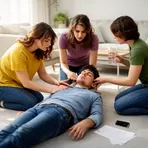
A short time when someone faints

A sudden loss of consciousness when not enough blood reaches the brain
Antonyms


Idioms
 3
9.4
3
9.4
Give a weak compliment that sounds positive but actually criticizes someone
Compounds



How Severe

Surface Forms
Etymology
Faint as a noun follows the same origin from French feint and Latin fingere, with the sense of weakness turned into an event; think of a sudden moment when strength is 'made away'. That's why a faint is a brief loss of consciousness.