
eyecup
- noun
- /ˈaɪˌkʌp/
- Specialized
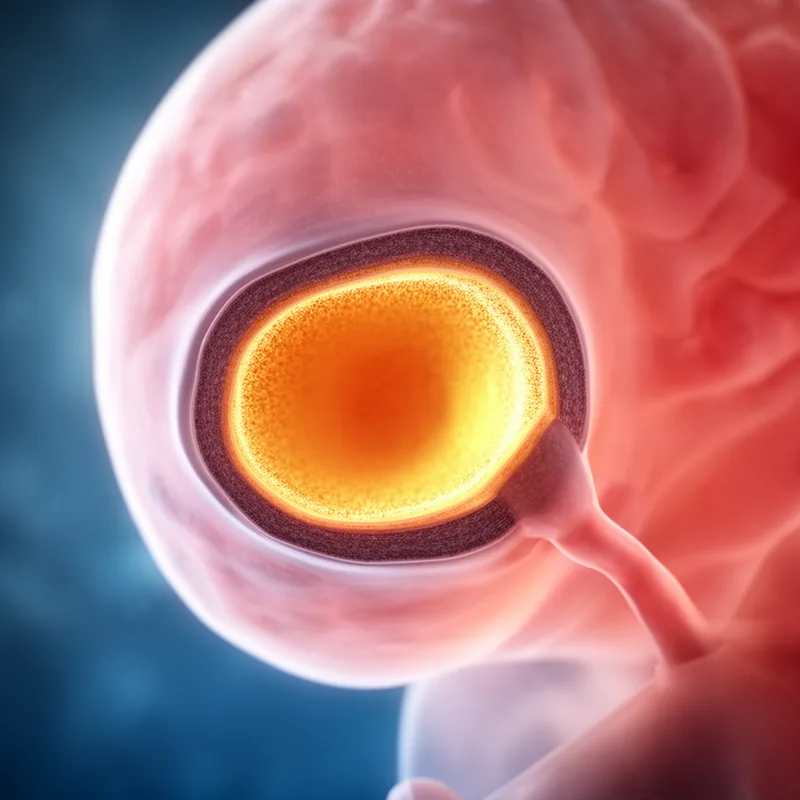
- The inner and outer layers of the eyecup differentiate into the sensory and pigmented tissues of the retina.
Examples
-
Scientists observed the formation of the eyecup under a microscope in the early stages of eye development.
-
During embryonic development, the eyecup gives rise to the retina's important layers.
-
The eyecup develops during the early stages of embryology.
-
Researchers study the eyecup to understand retinal formation.
-
During embryonic development, the eyecup forms the crucial layers needed for the retina.
-
Scientists studied the eyecup to learn how the retina's sensory and pigmented layers develop.
-
In embryology, the eyecup is essential for creating the retina's structure.
Synonyms

A two-layer cup in a developing embryo that becomes the retina's dark and light-sensing layers
Surface Forms
Morphology
Etymology
Eyecup in biology is named for its shape: the early eye makes a small, two-layer 'cup' that later becomes the colored and light-sensing parts of the retina.

