

expelling


 1
5.2
1
5.2
- noun
- /ɪkˈspɛlɪŋ/
- Specialized
- The doctor explained that expelling mucus is important for clearing up a respiratory infection.
Examples
-
When you have a cold, expelling mucus can help clear out infectious debris and ease uncomfortable congestion by lubricating Airways.
-
After the workout, he felt a sense of relief from expelling all the toxins through sweating.
-
The process of expelling waste from the body is a natural function that helps maintain good health.
Synonyms
 149
3.6
149
3.6
The act of letting a liquid, gas, or energy flow out
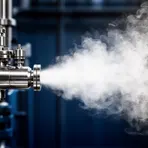 57
3.5
57
3.5
An act of releasing something like gas, steam, light, or heat from a source
 50
4.3
50
4.3
Removing something from a place using effort or force
 23
5.5
23
5.5
Forcing someone or something out of a place quickly
 14
4.5
14
4.5
Removing the contents of a container or body, for example waste from a tank
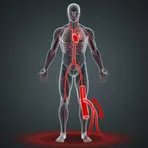 7
9.9
7
9.9
Severe loss of blood from the body that can cause death
 6
3.7
6
3.7
The process of removing waste from the body as pee or poo
 6
4.3
6
4.3
Breathing out air from the lungs or the air that you breathe out
 5
4.9
5
4.9
Removing harmful substances from the body to treat poisoning or addiction
 3
6.3
3
6.3
Removing unwanted things or substances from something by cleaning
 3
6.4
3
6.4
A pushing out of something by pressure from a container or body
 1
8.1
1
8.1
Forcing something out by pressing it
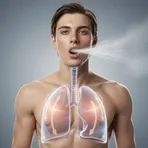 1
1.0
1
1.0
To push air out of your lungs
 1
6.7
1
6.7
Squeezing a part of the body to force out liquid
 1
5.1
1
5.1
A strong burst of smoke, steam, or gas coming out of something like a chimney
 1
4.6
1
4.6
The process of removing waste from the body, such as urine or sweat
 1
4.8
1
4.8
To breathe out air from the lungs

An action that makes someone leave a job or place against their will
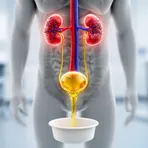
The process of removing waste from the body

To push out undigested food from the body after digestion

Slow leaking of liquid from wounds or blood vessels
How Forceful

Surface Forms
Morphology
Etymology
Expelling comes from Latin parts ex- meaning 'out' and pellere meaning 'to drive', and you can see the same 'pel' idea in English words like propel and compel. So to expel something from the body is to 'drive it out', which is exactly what the word means.