
exocrine
- noun
- /ˈɛksəˌkraɪn/
- Specialized
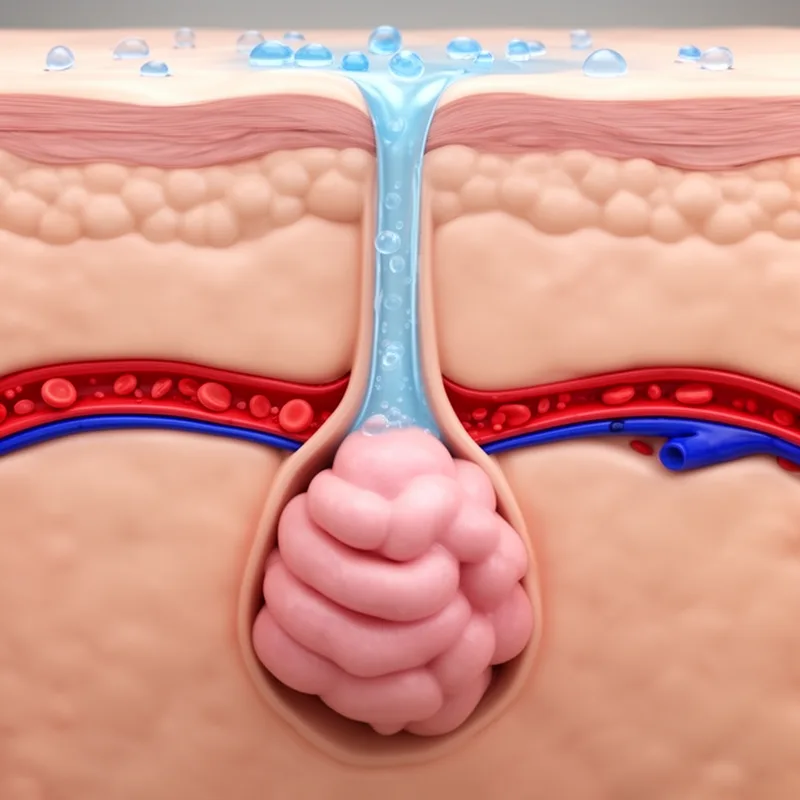
- Sweat glands are an example of an exocrine in the human body.
- exocrine insufficiency
- exocrine and endocrine
Examples
-
Damage to an exocrine can affect the secretion of essential fluids.
-
The pancreas acts as an exocrine, producing digestive enzymes released into the intestine.
-
The exocrine glands secrete enzymes into the digestive tract.
-
Salivary glands are an example of exocrine glands.
-
The pancreas is an important exocrine gland responsible for producing digestive enzymes.
-
During digestion, the exocrine glands release enzymes that help break down food in the intestine.
-
Salivary glands are a type of exocrine gland that secrete saliva into the mouth.
Synonyms

A body part that makes and sends liquids through a tube to the body's surface or inside it

A body part that makes liquid like sweat or saliva and sends it through a tube to a surface
Antonyms


Compounds
- Specialized
A body part that makes and sends liquids through a tube to the body's surface or inside it
Surface Forms
Morphology
exocrine = crine (opaque) = exo + crine
The word contains the scientific prefix exo- meaning 'outside' plus the bound combining form crine meaning 'secreting', but the term is specialized and not easily interpretable for most learners.
Etymology
Exocrine comes from the parts exo- 'outside' and -crine 'to send out', and it shares the same root as the English word secrete. So an exocrine (a gland) is a body part that sends its secretions 'outside' or into a tube, for example sweat glands or the part of the pancreas that pours enzymes into the intestine.