

excitable area
- noun
- /ɪkˈsaɪtəbl ˈɛəriə/
- Specialized
- Researchers mapped the excitable area responsible for coordinating fine motor movements in the hand.
Examples
-
In neurological studies, the excitable area was observed to react immediately to electrical stimulation.
-
Damage to an excitable area of the brain can lead to loss of muscle control.
-
The excitable area in the brain controls voluntary movements.
-
She studied the excitable areas of the cortex extensively.
-
Damage to an excitable area of the brain can lead to loss of muscle control.
-
In neurological studies, the excitable area was observed to react immediately to electrical stimulation.
-
Researchers mapped the excitable area responsible for coordinating fine motor movements in the hand.
Synonyms
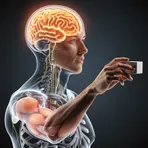
 3
5.5
3
5.5

The part of the brain that plans and controls movements you make on purpose
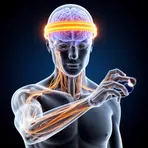

 1
5.1
1
5.1
A part of the brain that controls movements you make on purpose
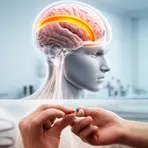
The part of the brain that controls body movement you choose to make

A part of the brain that controls movements you choose to make
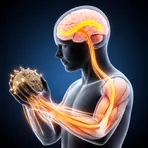
Part of the brain that connects what you feel and how you move
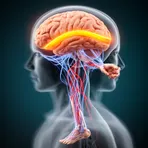
Part of the brain that connects senses with body movement
Surface Forms
Morphology
The phrase is largely compositional: a learner who knows 'excitable' and 'area' can infer an 'area that can be excited' or responds to stimulation, so the core idea is accessible. However, the sense of 'excitable' here is a domain-specific, physiological use (responsive to neural stimulation) rather than the everyday emotional sense, so the exact neuroscientific implication is not fully predictable without some background.
Etymology
Excitable area comes from the picture of a small part of the brain that easily 'gets excited', like a sensitive patch that lights up when touched. The word excitable means quick to react and area means a region, so the phrase describes a brain region that 'responds quickly' to a touch or signal and helps control movement.