

eucalyptus kino
- noun
- /ˌjuːkəˈlɪptəs ˈkiːnoʊ/
- Australian
- Traditional healers have long used eucalyptus kino for its medicinal properties.
Examples
-
The bark of the tree oozes eucalyptus kino, which is then collected and dried.
-
Tanners once relied on the astringent quality of eucalyptus kino to treat leather.
-
The eucalyptus kino is known for its medicinal properties.
-
Many traditional healers use eucalyptus kino in their remedies.
-
Tanners once relied on the astringent quality of eucalyptus kino to treat leather.
-
Traditional healers have long used eucalyptus kino for its medicinal properties.
-
The bark of the tree oozes eucalyptus kino, which is then collected and dried.
Synonyms
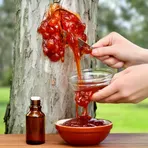
A reddish-brown sticky substance from eucalyptus bark used in medicine and food
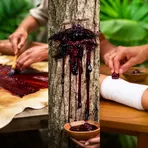
A red or black sticky substance from tropical trees that people use to tan leather and treat wounds

A reddish sticky substance from tropical trees used to make leather and as a medicine

A reddish gum from tropical trees used to treat diarrhea and tan leather
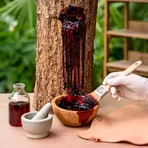
A reddish or black sticky substance from some tropical trees used to make medicine and treat leather

A reddish or black sticky juice from some trees used in medicine and tanning
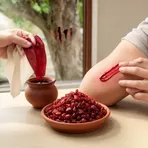
A reddish dried juice from the dhak tree used to dye cloth and to help heal wounds
Surface Forms
Morphology
The meaning is directly compositional: 'kino' denotes a sticky red gum used medicinally/tanning, and 'eucalyptus' names the tree source, so the phrase simply refers to the kino produced by eucalyptus trees. This follows a common noun+noun naming pattern for plant products, making the MWE immediately derivable for a B1 learner who knows both constituents.
Etymology
Eucalyptus kino is named for the eucalyptus tree and the old word kino for a dark gum; when the tree's bark is broken it oozes a red-brown sap that dries into a hard gum. People collected this gum to 'treat leather' and to make simple medicines, so today the term means the dried reddish-brown resin used in tanning and 'traditional medicine'.

