

ethylenediaminetetraacetic acid
- noun
- /ˌɛθɪlinˌdiːəˌmaɪnˌtɛtrəəˈsiːtɪk ˈæsɪd/
- Specialized
- Doctors often use ethylenediaminetetraacetic acid to treat lead poisoning.
Examples
-
The doctor prescribed ethylenediaminetetraacetic acid to treat the patient's lead poisoning.
-
Researchers used ethylenediaminetetraacetic acid to chelate excess metal ions in the laboratory solution.
-
Industrial cleaners sometimes contain ethylenediaminetetraacetic acid to neutralize metal deposits.
-
ethylenediaminetetraacetic acid is effective.
-
The doctor prescribed ethylenediaminetetraacetic acid to treat the patient's lead poisoning.
-
Doctors often use ethylenediaminetetraacetic acid to remove heavy metals from the body.
-
Researchers used ethylenediaminetetraacetic acid to chelate excess metal ions in the laboratory solution.
Synonyms
 4
7.5

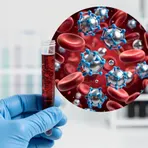
A man-made chemical that sticks to metal ions to remove them from blood or other liquids
Surface Forms
Morphology
ethylenediaminetetraacetic + acid
This is a technical IUPAC-style chemical name whose long first element is not a familiar lexical item to a B1 learner; knowing only the final word 'acid' would at best signal it is an acid but not that it binds and removes metal ions. The specialised chelating/medical meaning cannot be derived from the visible constituents, so the expression is opaque to learners.
Etymology
Ethylenediaminetetraacetic acid is a scientific name made from parts: ethylene, diamine, and tetraacetic acid, which describe pieces of the molecule. Those parts help the molecule 'bind' metal, so the long name is a hint that it is used to 'remove metal' from the body.