
ethylene glycol
 3
7.0
3
7.0

- noun
- /ˈɛθɪlin ˈɡaɪkɔl/
- Specialized
- Ethylene glycol is commonly used in antifreeze to prevent vehicles from freezing in cold weather.
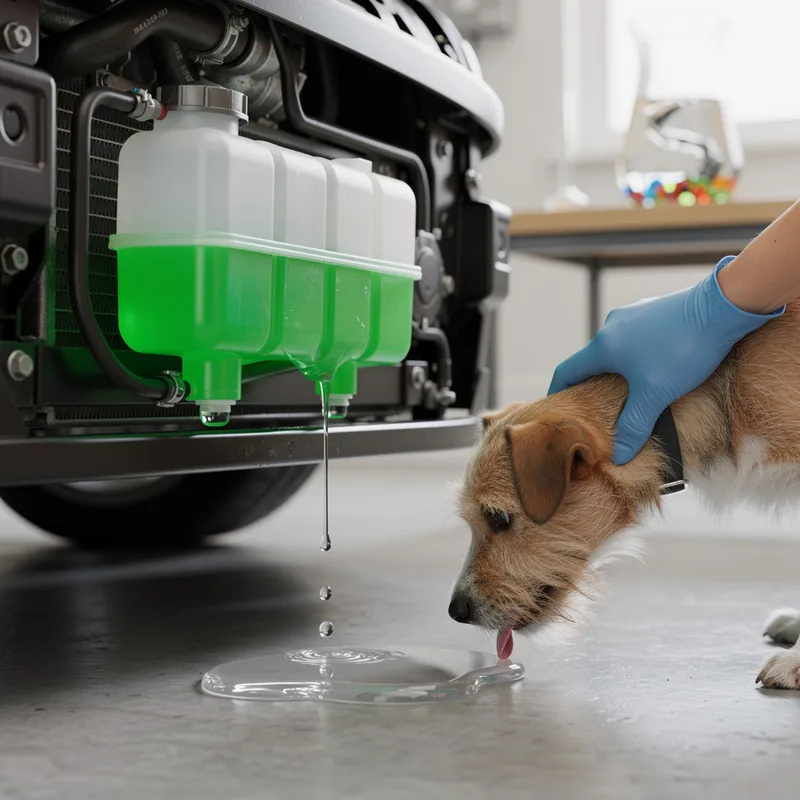
- ethylene glycol antifreeze
- ethylene glycol poisoning
Examples
-
Exposure to high amounts of some common frack-fluid chemicals, like ethylene glycol (a key antifreeze ingredient), has been linked to serious health problems, such as kidney, heart, and nervous system damage.
Blog text (23) -
Doctors discovered ethylene glycol in her blood, indicating poisoning from antifreeze.
-
The toxic effects of ethylene glycol were evident in the patient's symptoms.
Synonyms

A sweet, clear, poisonous liquid people put in car radiators to stop engines freezing and to dissolve other substances
Surface Forms
Morphology
ethylene + glycol
The term is a straightforward chemical noun–noun composition: 'glycol' denotes a dihydric alcohol (commonly an antifreeze) and 'ethylene' specifies the hydrocarbon from which it is derived, so a learner who knows both constituents can infer it is the glycol derived from ethylene (a sweet, poisonous liquid used as antifreeze/solvent). Although technical, the formation is compositional and follows regular chemical naming patterns found across languages, making the meaning recoverable from the parts.
Etymology
Ethylene glycol gets its name from two parts: ethylene, a simple chemical part, and glycol, a word used for 'sweet' liquids. So the name gives a clear picture: ethylene glycol is a syrupy, 'sweet' liquid used as antifreeze and a solvent, and that sweetness helps explain why it is poisonous if swallowed.