
ethnomusicological


 1
9.9
- adjective
- /ˌɛθnoʊˌmjuːzɪkəˈlɒdʒɪkəl/
- Specialized
- Students need to adopt what could be called an ethnomusicological approach to all music.
- ethnomusicological perspective
- ethnomusicological research
Examples
-
Coleman thoroughly investigated each instrument, searching for information from many sources, including ethnomusicological studies.
Academic text (1996) -
In addition, there was very little use of community resources or ethnomusicological research, and almost no use of instruments from outside the Western tradition.
Academic text (1996) -
Learning these two songs can help students understand the practical functions of music in any social organization from anthropological or ethnomusicological perspectives.
Academic text (2015) -
And ethnographic and ethnomusicological research has been supported by information gathered on archaeology and linguistics.
Academic text (1995) -
It is important to note some threads in recent ethnomusicological research and public music-dance performance in this region that have worked against this grain.
Academic text (2016) -
Students can benefit from an ethnomusicological perspective that examines music in its cultural context.
-
An ethnomusicological approach helps researchers understand how music reflects a community's social values.
-
The study of music from an ethnomusicological standpoint allows us to explore its role in cultural traditions.
Synonyms
 1
9.2
About the study of music, especially its history and ideas
Surface Forms
Morphology
ethnomusicological = ethnomusicology (semi-transparent) = ethno + music + ology + al
The adjective is a standard -al formation from the specialized noun ethnomusicology, but the term is discipline-specific rather than fully everyday vocabulary.
Etymology
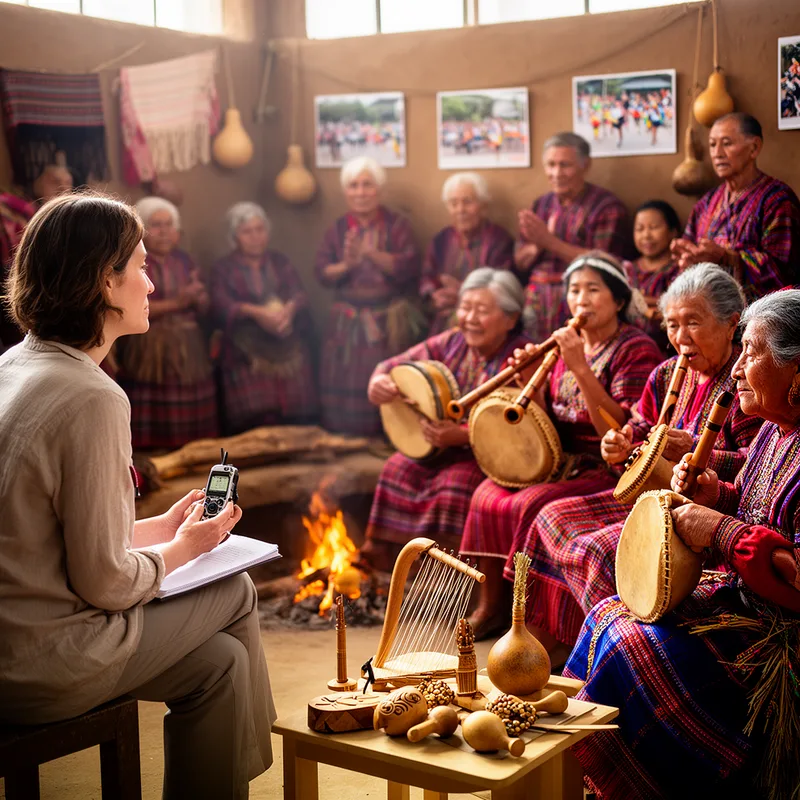
Ethnomusicological is made of three parts: ethno- meaning 'people', music, and -logical meaning 'study', as in ethnic and biology. So, it literally means 'study of a people's music', which is why it describes research about music in its cultural and social context.