
to estivate


 1
9.9
- verb
- /ˈɛstɪˌveɪt/
- Specialized
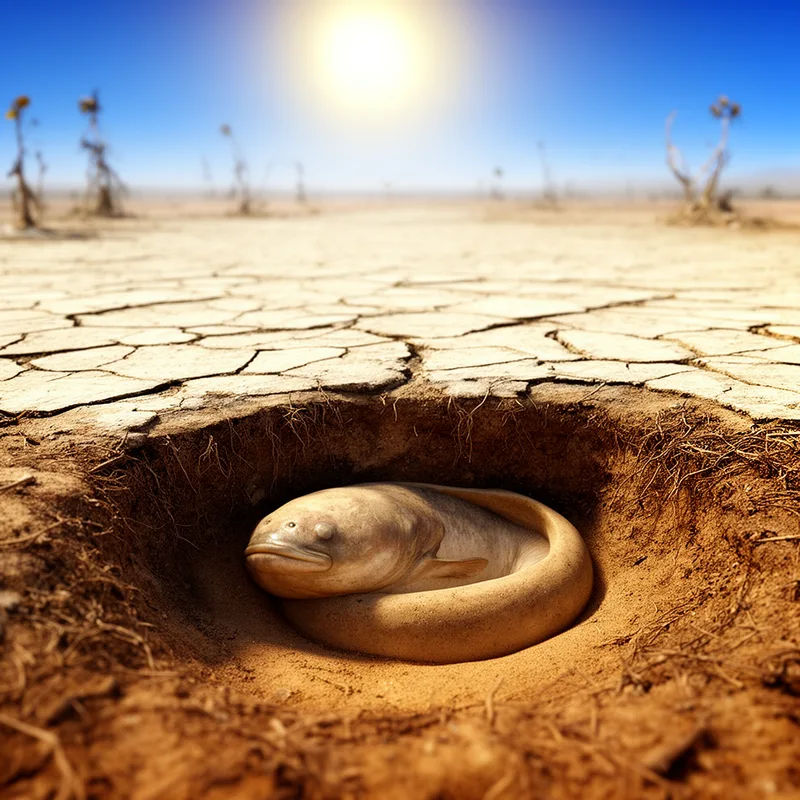
- Many desert animals, such as tortoises, estivate to survive the extreme heat of summer.
Examples
-
The tortoises estivate to survive the summer heat.
-
During extreme heat, certain amphibians estivate instead of remaining active.
-
Some desert snails estivate to survive the harsh, dry summer months.
-
The lungfish will estivate in the mud until the rains return.
-
Some frogs estivate during the hottest months.
-
During the dry months, some frogs estivate in underground burrows to avoid harsh conditions.
-
The garden snails estivate during the hot summer days, emerging only when temperatures drop.
Synonyms
 11
6.7
To be inactive but able to become active again
Surface Forms
Morphology
estivate = (opaque) = estiv + ate
There is no recognizable English base word for 'estiv', so the derivation is opaque to learners.
Etymology
The word estivate comes from the Latin root aestas, which means 'summer'. A helpful way to remember it is to think of it as the summer version of hibernate. Animals 'sleep' or stay inactive during hot, dry months, so to estivate is to become quiet and inactive in summer.