
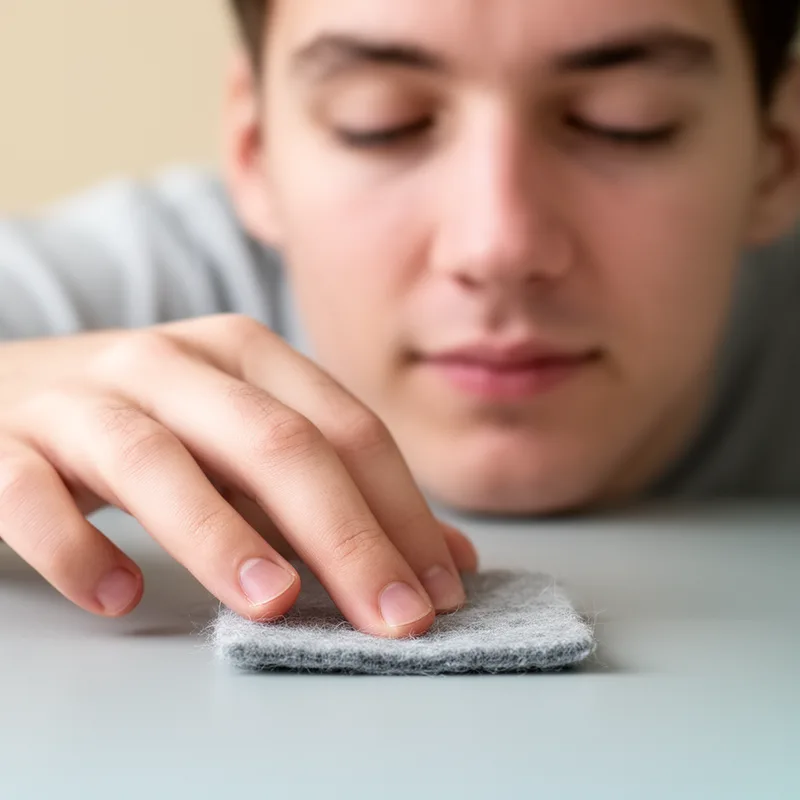
esthesis
- noun
- /ɛsˈθiːsɪs/
- Specialized
- He lost all esthesis in his fingertips after the accident.
Loading YouTube…
Watch on YouTubeThus nation is aesthesis in synesthesia visual fascination.
- Thus nation is aesthesis in synesthesia visual fascination.
Examples
-
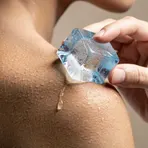
The esthesis of cold water on my skin was refreshing.
-
The patient reported a disturbance of esthesis in her left leg.
-
Basic esthesis occurs before higher-level processing, such as recognition or interpretation.
-
Can you describe the esthesis you felt during the experiment?
-
The esthesis of soft fabric against my skin felt soothing.
-
After the injury, he experienced a loss of esthesis in his foot.
-
During the test, the student noted the difference in esthesis when touching warm versus cold surfaces.
Synonyms
 137
3.5
137
3.5

A feeling in your body from touch, pain, or heat
 1
9.9
1
9.9
A simple immediate experience from seeing, hearing, or touching before the mind interprets it

A quick feeling from sight, sound, touch, taste or smell

A simple feeling you get from touch, sight, hearing, taste or smell
How Complex

Surface Forms
Morphology
esthesis = esthe + sis
The word is a technical borrowing built from a Greek combining form plus the Greek nominalizing suffix '-sis', which is not a productive or transparent formation for average learners.
Etymology
Esthesis comes from the Greek word aisthesis, which means 'sensation' or 'feeling', and it is the same root you meet in anesthetic, a medicine that removes feeling, and in aesthetic, which is about taste and feeling. So, esthesis refers to a simple, basic feeling from a sense organ.