
escheat


 1
9.9
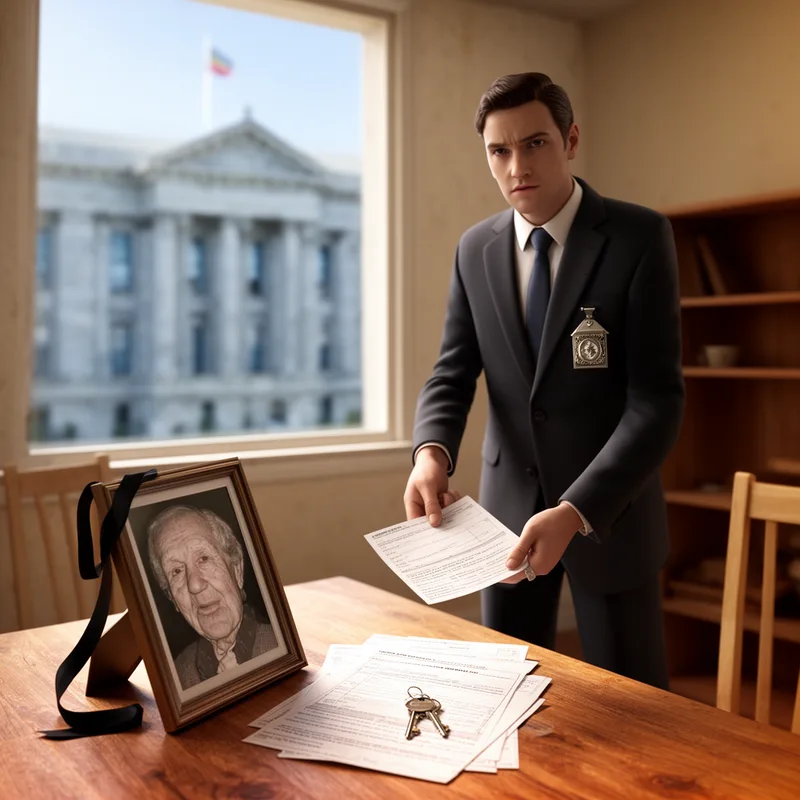
Property that goes to the state when someone dies without a will or heirs
- noun
- /ɪsˈtʃit/
- Formal
:
escheat
- In many cases, unclaimed bank accounts will escheat to the government after several years.
Examples
-
Further, most states have an escheat law which commands that in any situation where life insurance proceeds are unclaimed for a certain period of time, they escheat to the state.
Blog text (21) -
Even a man as learned in the law as Jan Rubens might get lost in all those encumbrances and escheats.
Academic text (1999) -
The escheat process ensures that property without heirs is turned over to the state.
-
The state's escheat laws require that assets of deceased individuals without wills be transferred to public ownership.
Antonyms

Surface Forms
Etymology
Escheat comes from an old French verb, escheoir, that meant 'to fall'. So property with no owner was said to 'fall' to the ruler or state, which is why escheat names the legal process when land or goods go to the state after someone dies without heirs.