
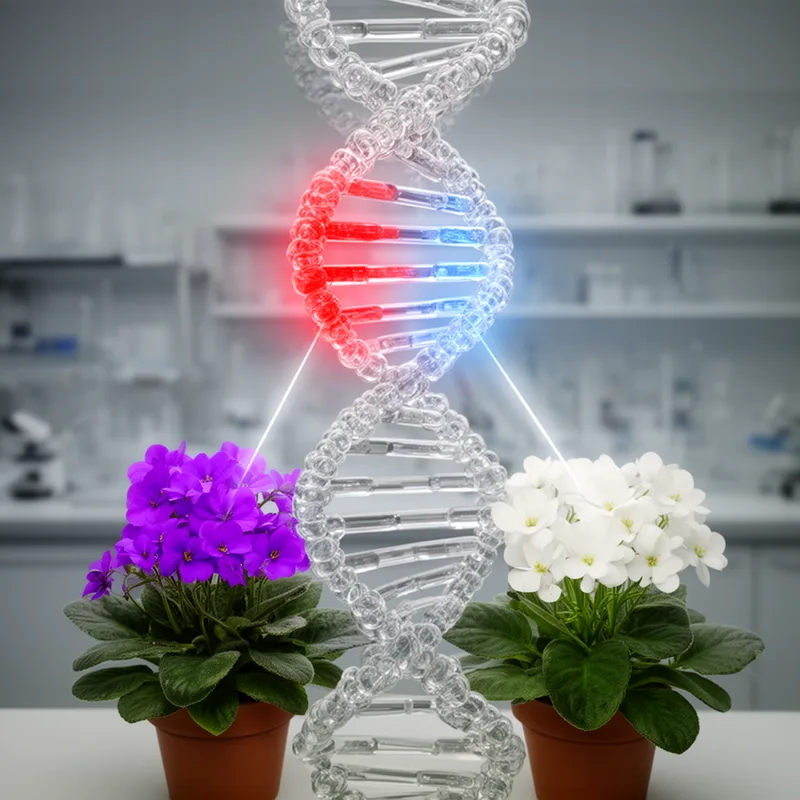
epistatic
- adjective
- /ˌɛpɪˈstætɪk/
- Specialized
- Understanding epistatic relationships is crucial for predicting the inheritance patterns of complex traits.
- epistatic interactions
- epistatic genes
Examples
-
In genetics, an epistatic gene can mask the expression of a dominant gene, affecting the phenotype.
-
Whether there is a large number of genes of small effect or a few key genes that affect the expression of many other genes (i.e., epistatic effects) is unclear.
Academic text (2010) -
The second case identifies a sign of epistatic dependence of one locus on the other, but not the other way around.
Academic text (2018) -
In comparison, the genetic basis of female preference is complex and involves many genes and possibly epistatic interactions (Hollocher et al. 1997).
Academic text (2017) -
Others have suggested that inbreeding depression may also be explained, at least in part, by synergistic or epistatic interactions among genes (Templeton and Read 1994, Charlesworth 1998).
Academic text (2010) -
Since these lines were variable only for the third chromosome (see above), any variations found on the second, fourth, and X chromosomes had to originate from genes located on the third chromosome and were therefore products of transregulation or epistatic interactions.
Academic text (2010) -
The study focused on how epistatic interactions between multiple genes can influence traits like color and size.
Compounds

- Specialized
A gene that hides the effect of another gene so a trait does not appear
Surface Forms
Morphology
Etymology
Epistatic comes from Greek parts epi- 'upon' and stasis 'standing', the same root you see in static. So, an epistatic gene is like one that 'stands over' another and can hide or change the other gene's effect.

