
epicranium
9.9
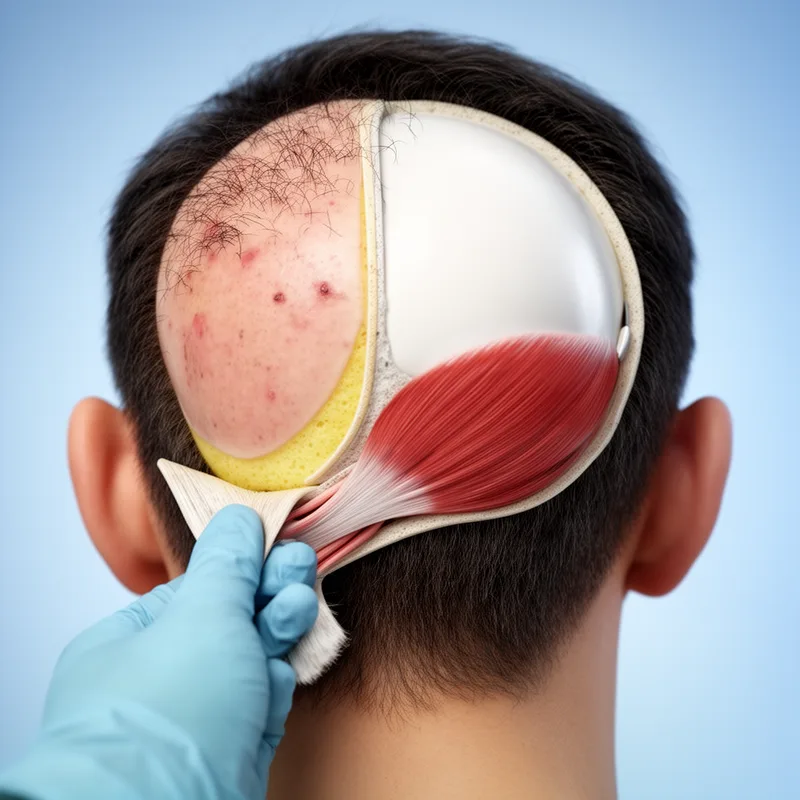
The skin, muscles, and soft tissue that cover the top of the skull
- noun
- /ˌɛpɪˈkreɪniəm/
- Specialized
:
epicráneo
- The epicranium includes the scalp and its associated muscles and connective tissue.
- part of the epicranium
Examples
-
Injuries to the epicranium can result in swelling and bruising of the forehead.
-
During the surgery, an incision was made through the epicranium to access the skull.
-
The epicranium protects the brain from external injuries.
-
During the examination, the doctor checked the epicranium for any abnormalities.
-
Injuries to the epicranium can result in swelling and bruising of the forehead.
-
During the surgery, an incision was made through the epicranium to access the skull.
-
The epicranium includes the scalp and its associated muscles and connective tissue.
Surface Forms
epicranium singular
epicraniums plural
Morphology
Etymology
Epicranium comes from Greek parts epi- meaning 'on' (as in epidermis) and cranium meaning 'skull'. So the epicranium is the skin, muscles and tissue that lie 'on the skull' or cover the top of the head.

