
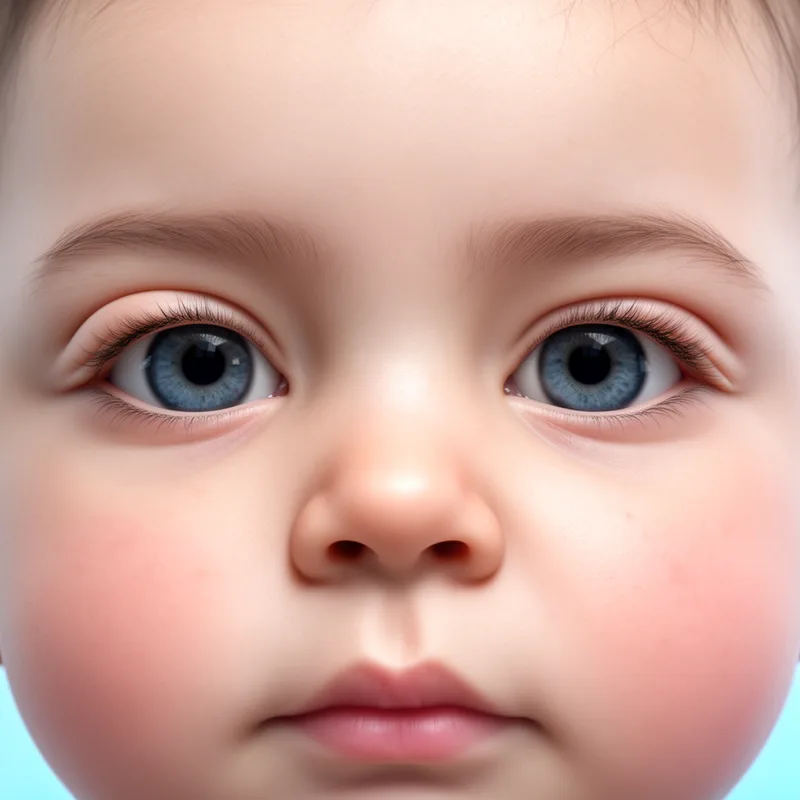
epicanthic


 1
9.9
1
9.9
- adjective
- /ˌɛpɪˈkænθɪk/
- Specialized
- Some populations have a lighter skin, some populations have darker skin and, and some people have epicanthic eye fold and others don't.
- epicanthic fold
Examples
-
In the documentary, experts explained the significance of epicanthic folds in various Asian populations.
-
The model had distinct epicanthic folds that complemented her striking facial features.
-
The epicanthic eyes of one people and the narrow waist, wide hips of the other?
Fiction book (1994) -
There were epicanthic folds at the corners of his dark eyes.
Fiction book (1999) -
Mike's curly hair and the epicanthic folds beneath his blue eyes, together with his light brown skin, were testimony to that.
Fiction book (2000) -
He had fine, tawny skin and golden-brown hair, along with flattened features and an epicanthic eye fold of Down syndrome.
Fiction book (1996) -
She brushes her hair straight back, pulling tightly enough to lift the furrows from her face and create an epicanthic fold.
Fiction book (1998) -
And what was her impression of him, with his mixture of human traits, his bright blue eyes with epicanthic folds, his tightly curled dark brown hair, and his fair skin?
Fiction book (2000) -
Many children in that region exhibit epicanthic characteristics due to their genetic heritage.
Compounds

- Specialized
Skin fold at the inner corner of the eye common in many East Asian people and some health conditions
Surface Forms
Morphology
epicanthic = epicanthus (opaque) = epi + canth + ic
The word is derived from 'epicanthus', but the meaning is specialized and not easily guessable from its parts without medical knowledge.
Etymology
Epicanthic comes from Greek parts epi- ('on') and kanthos ('corner of the eye'), so it literally means 'on the eye corner'. That's why epicanthic is used for the small skin fold that sits over the inner corner of the eyelid.