
epibranchial
9.9
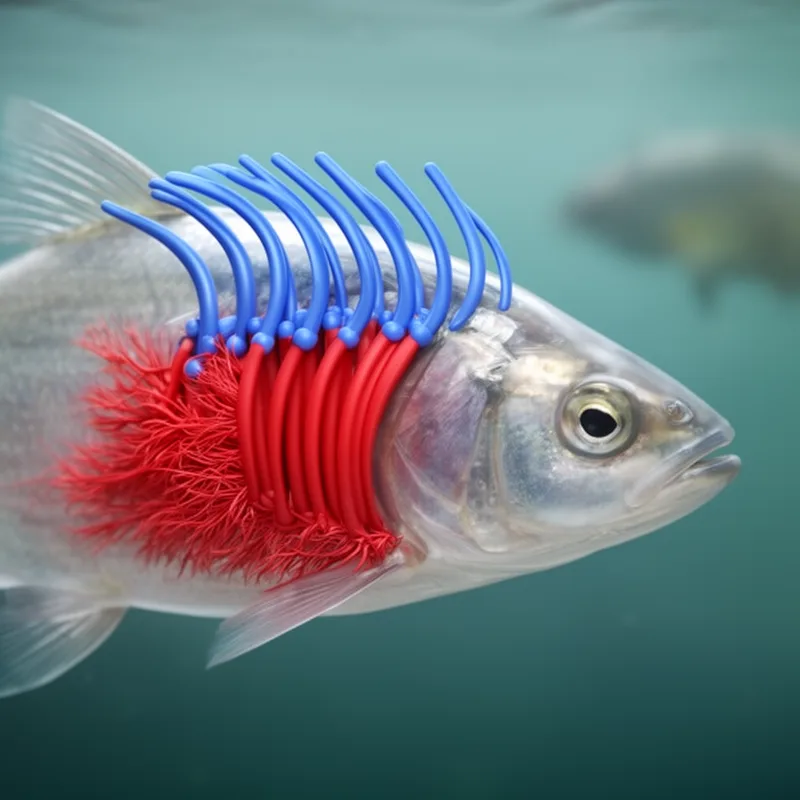
Located above the gills in fish and other water animals
- adjective
- Specialized
:
epibranquial
- By the time the embryo reaches 6 mm in length, the nerve approaches the epibranchial placode, and large, dark nuclei mark the development of the geniculate ganglion.
Examples
-
By the time the embryo reaches 14 mm in length, the geniculate ganglion and the greater superficial petrosal nerve are well defined, and the epibranchial placode has disappeared.
Academic text (2003) -
The epibranchial region is important for understanding the development of fish gills.
-
In many fish species, the epibranchial structure plays a crucial role in respiratory function.
-
Researchers studied the epibranchial area to learn more about aquatic vertebrate evolution.
Surface Forms
epibranchial positive
Morphology
Etymology
Epibranchial breaks into epi- meaning 'on' or 'above' and branchia meaning 'gills', the same idea as the common English word 'gill'. So, used as an adjective it describes something that is 'above the gills'.

