
ephemeron
- noun
- /ɪˈfɛmərən/
- Specialized
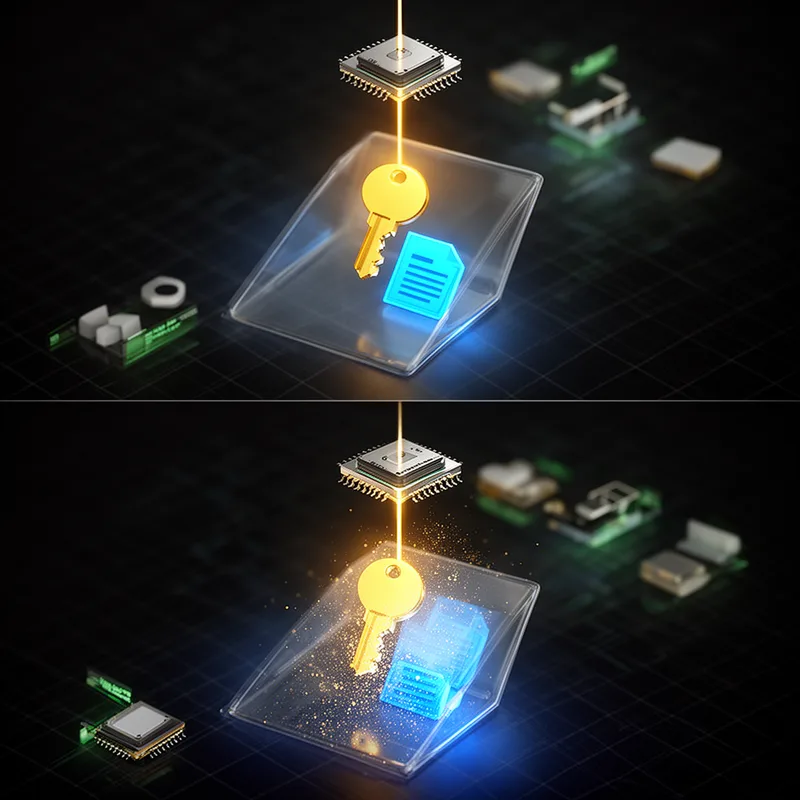
- When the key becomes unreachable, the language's ephemeron allows both key and value to be reclaimed.
Examples
-
Implementers chose an ephemeron so the value would not prevent unused objects from being garbage-collected.
-
The runtime uses an ephemeron to cache metadata that should disappear when the key is collected.
-
The ephemeron was removed from memory when the key was no longer reachable.
-
In programming, an ephemeron helps manage memory efficiently.
-
The runtime uses an ephemeron to manage data associations that can be deleted when no longer needed.
-
In garbage-collected systems, an ephemeron allows linked items to be freed once the key is unreachable.
-
Using an ephemeron can improve memory handling by ensuring that values do not retain keys that are no longer active.
Surface Forms
Morphology
ephemeron = ephemeral (semi-transparent) = ephemer + on
Derived from 'ephemeral' but the computing sense is a specialized metaphor whose precise technical behavior (garbage-collection semantics) is not fully predictable from the base word alone.
Etymology
Ephemeron comes from the Greek ephemeros, which means 'lasting for a day' and shares the root with ephemeral. In computing, an ephemeron is a data record that can disappear when its key is no longer used, so it does not keep the item alive.

