
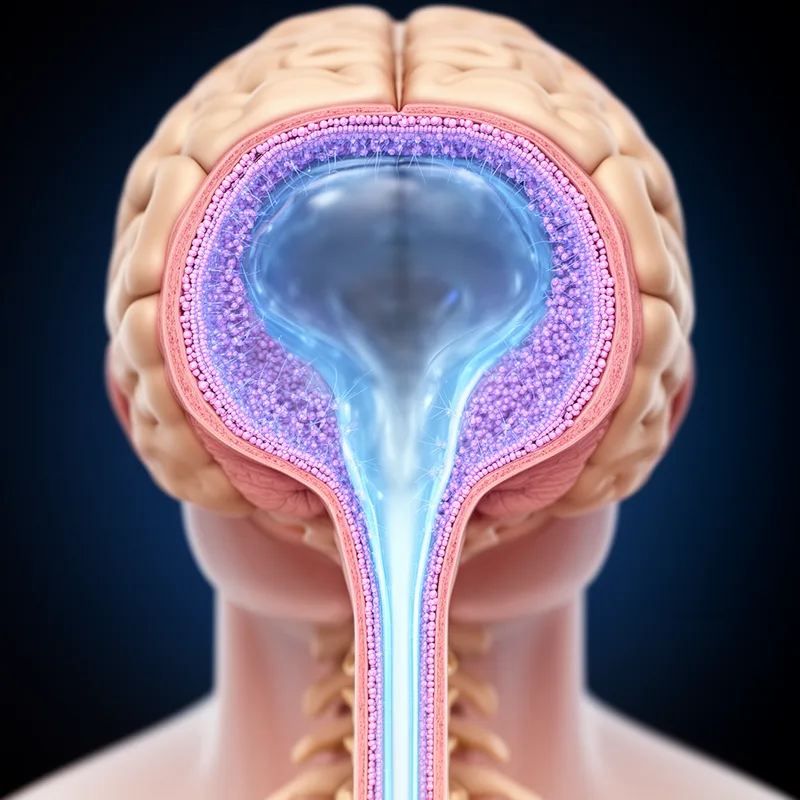
ependymal
- adjective
- /ɪˈpɛndɪməl/
- Specialized
- The ependymal cells play a crucial role in cerebrospinal fluid production.
Examples
-
The ependymal layer plays a crucial role in producing cerebrospinal fluid.
-
Damage to ependymal cells can affect the flow of fluid in the central nervous system.
-
Researchers studied the ependymal tissue to understand its function in brain health.
-
Researchers study ependymal tissue to understand spinal cord injuries.
-
The ependymal layer is vital for maintaining the health of the brain's ventricular system.
-
Injuries to the spinal cord can lead to damage in the ependymal membrane, affecting cerebrospinal fluid circulation.
-
The scientists focused on the ependymal cells to explore their role in neurological disorders.
Surface Forms
Morphology
Etymology
Ependymal comes from the Greek word ependyma, made of epi- 'on' and a part that means 'covering', similar to the epi- in epidermis. So, ependymal means 'a layer on' the brain's ventricles and spinal canal, which explains why it is the thin lining that covers those spaces.

