

to enfranchise
 2
8.2
2
8.2

- verb
- /ɪnˈfrænˌtʃaɪz/
- In Philadelphia, as across the nation, black voters newly enfranchised after the Civil War normally voted for the Republican Party, which they credited with winning the war, freeing the slaves, and granting the vote.
- enfranchised women
Examples
-
The other conflicts, such as those in the northeast, could be traced to the increasing political awareness of newly enfranchised ethnic groups.
Academic text (1997) -
Were African Americans enfranchised at the turn of the century?
Academic text (1993) -
This system was replaced in 1974 by an elected council and a new constitution that enfranchised women.
Academic text (1992) -
The United States enfranchised women with a constitutional amendment in 1920.
Academic text (1999) -
Similarly, at age eighteen, Israelis are expected to understand their political system, and so they are enfranchised.
Academic text (1991) -
The new law will enfranchise citizens who have previously been denied the right to vote.
-
Efforts to enfranchise all members of the community are essential for a fair election.
-
Historically, movements aimed to enfranchise underrepresented groups have shaped democratic societies.
Antonyms
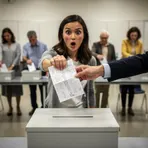
How Enfranchised

Surface Forms
Morphology
Etymology
Enfranchise comes from the parts en- meaning 'to make' and franc meaning 'free', the same root you see in franchise. So to enfranchise people is to 'make them free' in a civic way, for example by giving them the right to vote and take part in public life.