
endolymphatic


 1
9.6
- adjective
- /ˌɛndəˈlɪmfætɪk/
- Specialized
- The cause of idiopathic Meniere's disease in the absence of obvious endolymphatic sac or duct obstruction remains unclear.
- endolymphatic hydrops
- endolymphatic sac
- endolymphatic duct
Examples
-
Irritation of the endolymphatic sac may account for the predominantly low-tone pattern of hearing loss.
Academic text (1998) -
The increased pressure in the endolymphatic sac can lead to balance issues.
-
And go by way of the endolymphatic duct.
-
First, the function of otherwise healthy OHCs can be impaired by reduction of the endolymphatic potential.
Academic text (1998) -
There was also a subtle increase in the size of her right-sided endolymphatic sac tumor.
Academic text (2004) -
In any event, impaired absorption or overproduction of endolymph is presumed to cause endolymphatic hydrops and associated Meniere's symptomatology.
Academic text (2004) -
The doctor explained how changes in the endolymphatic fluid could affect hearing.
-
Research indicates that fluctuations in endolymphatic levels are linked to certain auditory disorders.
Surface Forms
Morphology
Etymology
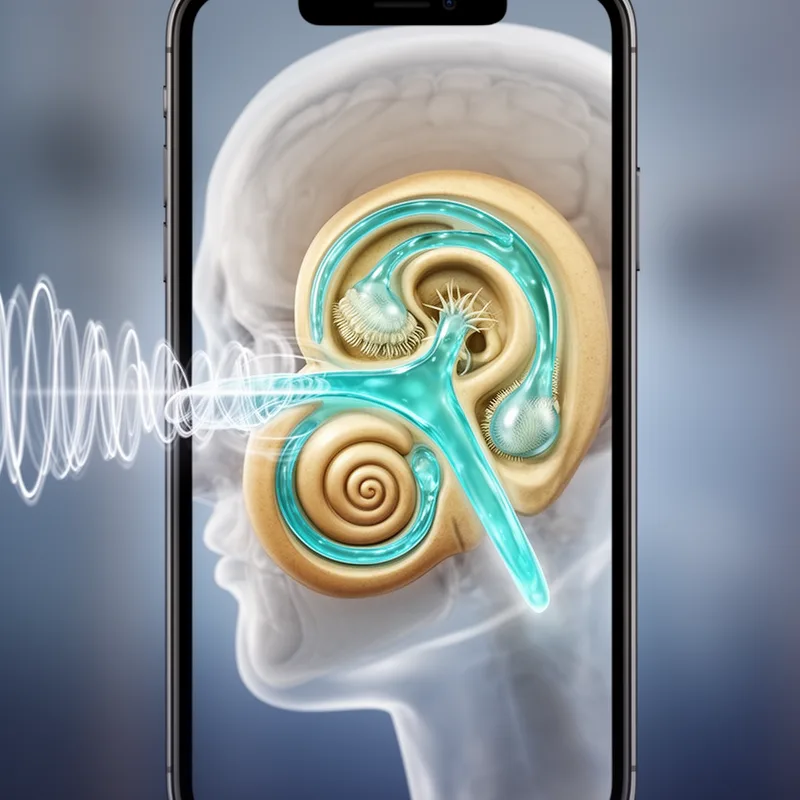
Endolymphatic comes from endo- meaning 'within' and lymph meaning 'clear fluid', so it names the fluid and the parts 'inside' the inner ear. That's why endolymphatic describes the fluid or structures in the ear that help with hearing and balance.