
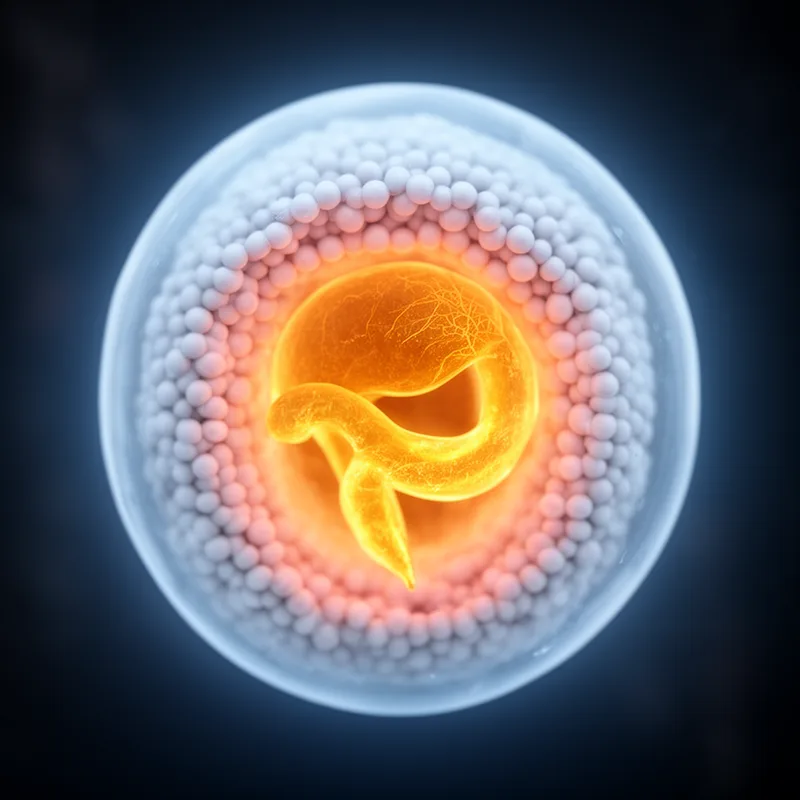
endodermal


 1
8.8
- adjective
- /ˌɛndəˈdɜrməl/
- Specialized
- The endodermal layer is essential for the development of the digestive system in embryos.
Examples
-
It has been suggested that congenital gastric heterotopia results from an error during fetal development in the differentiation of pluripotent endodermal stem cells.
Academic text (2007) -
There are sites that are only bound, for example, in endodermal tissues or in ES cells.
-
Fistulas suggest complete communication between the ectodermal and the endodermal surface and presumably relate to incomplete formation of the branchial plate.
Academic text (1995) -
Keeping these necessities in mind, we further checked the endodermal transdifferentiation potential of MBC-WJMSCs and BMMSCs into HLCs.
Academic text (2018) -
Scientists study endodermal cells to understand how organs develop during early stages of life.
-
The endodermal tissue gives rise to important organs like the liver and lungs in a developing fetus.
Surface Forms
Morphology
Etymology
Endodermal comes from Greek parts endo- 'within' and derm 'skin', so it means 'inner skin'. That's why endodermal describes the innermost cell layer in an embryo, the layer that becomes the lining of the gut and some organs.