
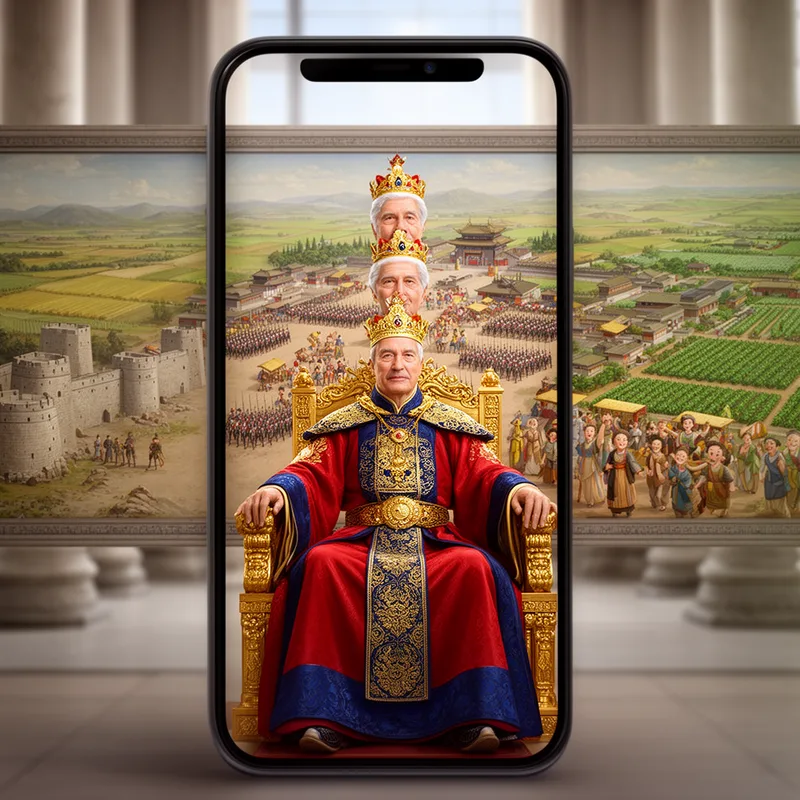
emperorship
- noun
- /ˈɛmpərərˌʃɪp/
- The emperorship lasted for over two centuries, marking a significant era in history.
Examples
-
During his emperorship, many reforms improved the lives of the citizens.
-
In this way, the astronomical clock and the water mill became two different embodiments of the same emperorship in science.
Academic text (2002) -
Evoking the older meaning of civility as citizenship, Washington bypassed a potential opportunity for emperorship to become a regular citizen.
Academic text (2009) -
The emperorship was established after a long struggle for power in the region.
Synonyms

 41
4.4
41
4.4

A time when someone or something has the most influence
 2
7.5
2
7.5
The time a leader has power over a country
 2
9.9
2
9.9
Lands and people under the control of an emperor
 1
9.9
1
9.9
Rule by an emperor over many lands
 1
9.9
1
9.9
The time when Roman emperors held power starting with Augustus
How Powerful

Surface Forms
Morphology
Etymology
The word emperorship comes from emperor, which originally came from an old Latin word for 'commander' or 'one who gives orders', plus the ending -ship, which means 'state or position' as in leadership. So emperorship is the 'position' or period of rule of an emperor.