
empathy
 3
7.6
3
7.6

- noun
- /ˈɛmpəθi/
- Specialized
- Empathy, obedience... everything the prototype you have now is missing.
- empathy: sensing emotions
Loading YouTube…
Watch on YouTubeBut it's but do you think that understanding empathy, that signal is in the data?
- But it's but do you think that understanding empathy, that signal is in the data?
- And then they encounter a system that in fact lacks empathy and fosters that powerlessness.
- With folks like you, there is an empathy gap, dare I say, in technology.
- So you think, you think it's not possible to form empathy through a digital medium?
- And although AI can calculate and give you the illusion, it understands, it doesn't have empathy, doesn't have love.
Examples
-
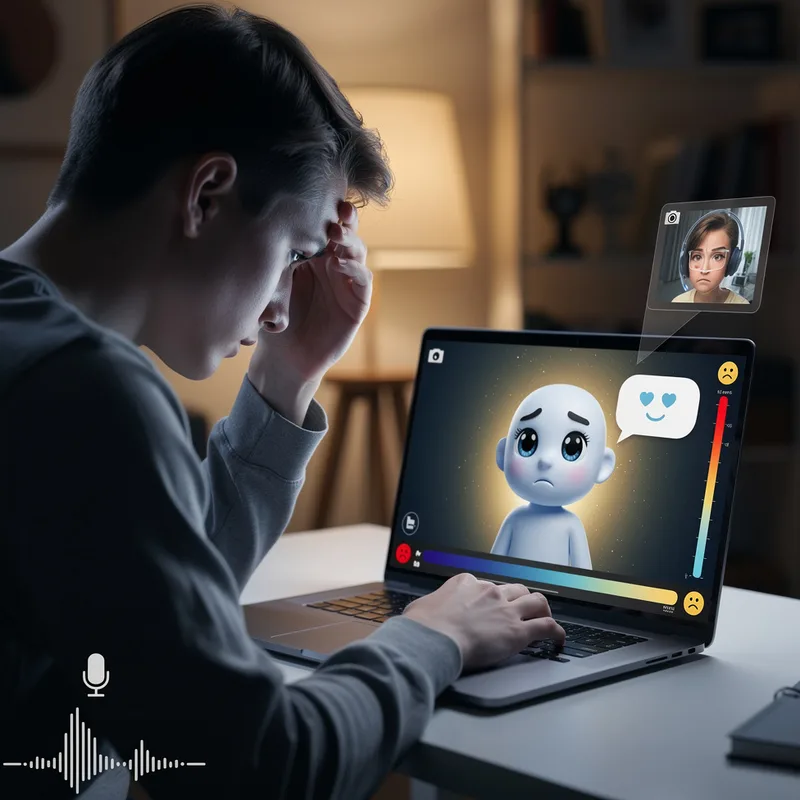
A virtual assistant that shows empathy can improve user satisfaction by responding to emotional cues.
-
Empathy is a rare gift and even rarer in tech circles (where machines are often liked for a reason—social awkwardness).
Blog text (19) -
How many people really have empathy for machines?
Fiction book (1990) -
I wanted Ophelia to show me how her empathy abilities work.
Blog text (29) -
And then they encounter a system that in fact lacks empathy and fosters that powerlessness.
-
We quickly create empathy for the clients, and we move rapidly into the ideation phase by use of sketches, lists, and prototypes.
-
The new software demonstrates empathy by recognizing when users feel frustrated and offering helpful suggestions.
-
Designing applications with empathy means understanding how users feel during their interactions and adjusting accordingly.
Antonyms


Compounds

To stay calm and understand how others feel, especially when things are difficult
How Empathic
154
3.2

- Specialized
3
7.6
Surface Forms
Morphology
empathy = em + pathy
Same morphological structure as the human-emotion sense (em- + pathy); the computing sense is a metaphorical extension, so learners can partially infer meaning but not fully from components alone.
Etymology
Empathy comes from Greek parts em- 'in' and path from pathos 'feeling', so it suggests 'feeling into'. A helpful way to remember the computing sense is to think of an 'empathetic' system as one that tries to 'feel into' a user by sensing tone and mood and then responding as if it understands them.