
embryophyte


 1
9.3
- noun
- /ˌɛmbrɪˈoʊfaɪt/
- Specialized
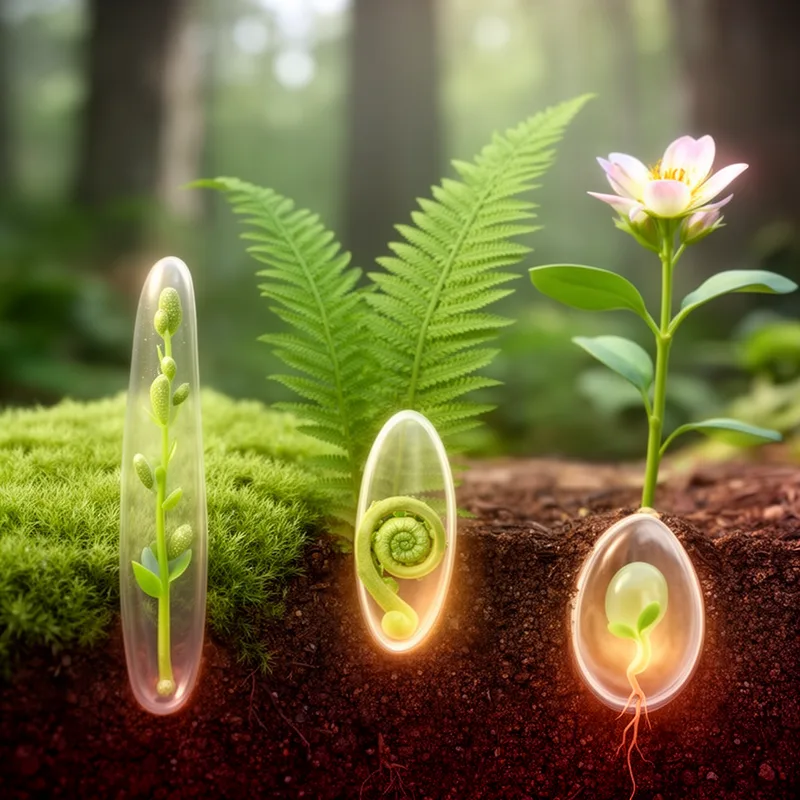
- Mosses and ferns are both types of embryophytes that thrive in moist environments.
- embryophyte lineage
Examples
-
Shown are 10 classes of green algae and the single monophyletic lineage representing all embryophyte plants (bryophytes, vascular plants, seed plants, flowering plants).
Academic text (2008) -
Why have different structures or behaviors appeared in embryophytes?
Academic text (2008) -
Hand in hand with the single embryophyte lineage, multiple desert green algal lineages.
Academic text (2008) -
As detailed above, embryophytes are a comparatively recent branch of the green algal tree of life.
Academic text (2008) -
Combined with the single embryophyte lineage to which more familiar terrestrial green plants belong, multiple desert green algal lineages provide independent evolutionary units that may enhance understanding of the evolution and ecology of eukaryotic photosynthetic life on land.
Academic text (2008) -
Flowers are produced by many types of embryophytes, making them an important part of terrestrial ecosystems.
-
As an example of embryophytes, conifers can be found in forests around the world.
Surface Forms
Morphology
Etymology
Embryophyte comes from the parts embryo ('young life') and phyte ('plant'). So an embryophyte is a land plant that makes an embryo, which is why mosses, ferns, conifers and flowering plants are in this group.