
electrogenesis
- noun
- /ˌɛlɛktrəʊˈdʒɛnɪsɪs/
- Specialized
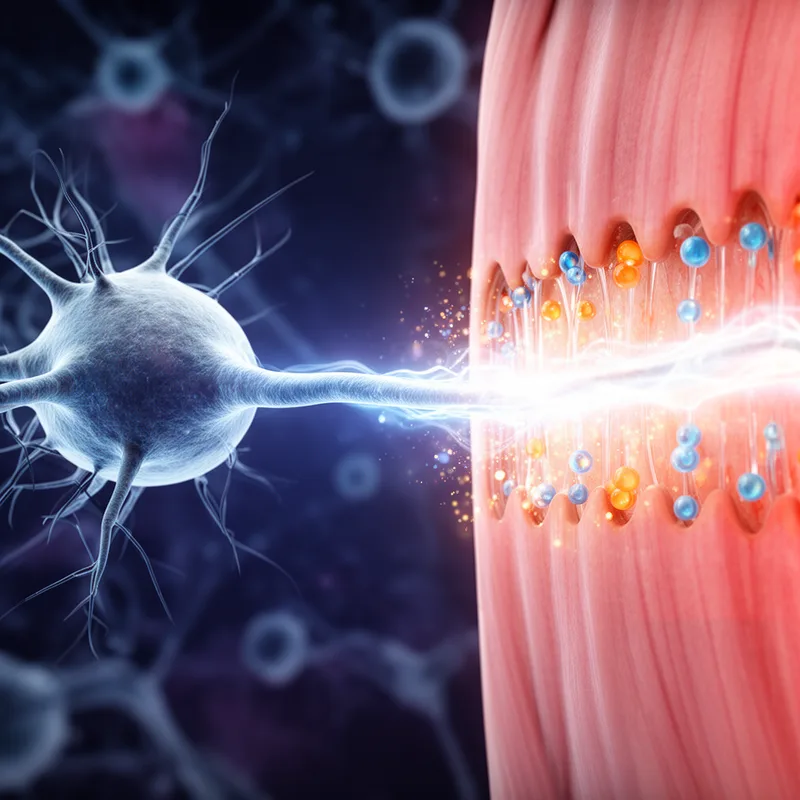
- Electrogenesis occurs when cells generate electrical signals in response to stimuli, facilitating communication within the body.
Examples
-
Action potential electrogenesis in most mammalian neurons depends on the depolarizing actions of voltage-gated sodium channels.
Academic text (2000) -
If we can understand, in greater detail, the roles of the various types of sodium channels in electrogenesis within normal and injured neurons, particularly DRG and trigeminal neurons, we should come closer to understanding the molecular pathogenesis of pain.
Academic text (2000) -
The process of electrogenesis is crucial for the transmission of signals in nerve cells during reflex actions.
-
The study of electrogenesis in muscle cells helps scientists develop better treatments for heart conditions.
Surface Forms
Morphology
Etymology
The word electrogenesis breaks into electro- meaning 'electricity', as in electric, and -genesis meaning 'beginning' or 'creation', like generate. So, electrogenesis is the process of 'making' the electrical signals you find in nerve or muscle cells.

