
election
 3
9.9
3
9.9

- noun
- /ɪˈlɛkʃən/
- Specialized
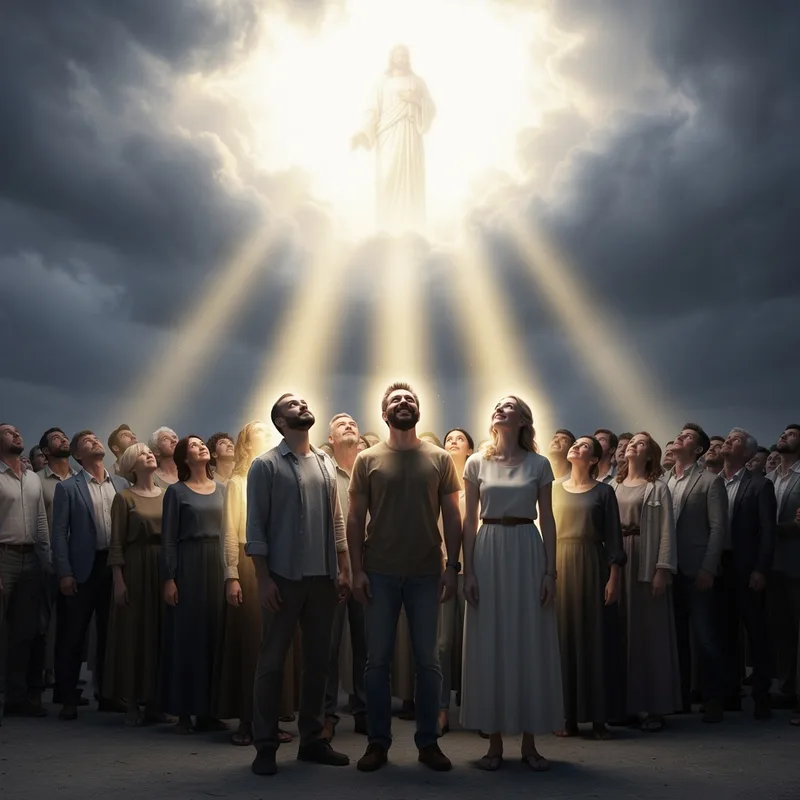
- The doctrine of election asserts that God's mercy is given to a select group, highlighting the core of Calvinism.
- God's election
- divine election
Examples
-
Many theologians debate the implications of divine election in relation to human free will and salvation.
-
In Calvinist theology, the concept of election refers to God's choice of certain individuals for salvation.
-
The election of Abraham and the election of the land came together.
Academic text (1995) -
The message was clear: God did not privilege members of particular nations in the election.
Academic text (2003) -
Thanks be to God, this election may be exactly the wake-up call we need.
Blog text (16) -
My commitment to Christ and God the Father in Heaven supersedes this election and any that follow after it.
Blog text (20) -
In these writings, the Christian church claimed to be the true heir of the election of the People of God.
Academic text (2014) -
Similarly, when he preached unconditional election, he emphasized that Christ died as well for members of all nations and all social ranks.
Academic text (2003) -
Here were central tenets of Calvinism—unconditional election and the all-sufficiency of Christ's sacrifice—couched in powerful imagery and free.
Academic text (2003)
Compounds


 12
3.2
12
3.2
An early election where party voters choose candidates for the general election



- UK
4
6.0
An election to fill a public office that becomes empty between general elections




- Specialized
A minimum percentage of votes a political party must get to win any seats in parliament

- Formal
A choice a surviving spouse makes to take either what the will gives or the legal share of the estate


Surface Forms
Morphology
Etymology
Election uses the same Latin root eligere, meaning 'to choose', but in theology it means being 'chosen' by God for mercy or salvation. So religious talk of election is about who is chosen by God.