
eicosapentaenoic acid


 1
7.3
- noun
- /ˌaɪkəˌsæpənˈteɪnɔɪk ˈæsɪd/
- Specialized
- In the four main fish types, levels of docosahexaenoic and arachidonic acid are higher, and levels of eicosapentaenoic acid are lower than in cold water sea fish (species in the middle and high latitudes), resembling the pattern found in other (tropical) sea species.
- omega-3 eicosapentaenoic acid
- eicosapentaenoic acid in fish
- eicosapentaenoic acid and docosahexaenoic
Examples
-
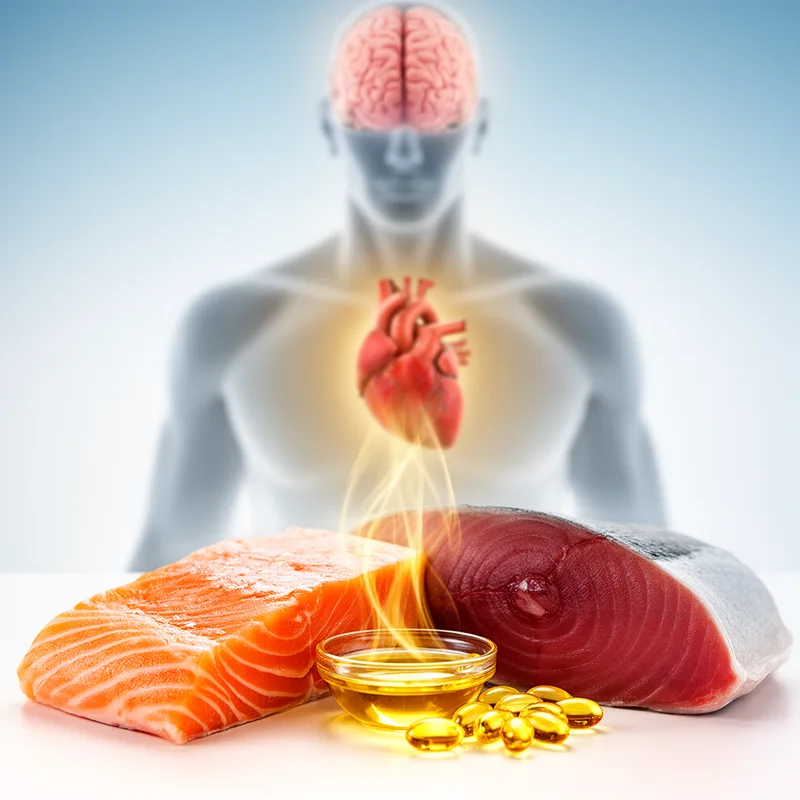
Including sources of eicosapentaenoic acid in your diet can help reduce inflammation and improve brain function.
-
In the freshwater fish, docosahexaenoic acid content ranged from 8.6% to 19.1%, eicosapentaenoic acid from 1.8% to 4.2%, and arachidonic acid from 5.8% to 8.0%.
Academic text (2000) -
The n-3 to n-6 ratio was nearly four times higher in fish-eating than in vegetarian participants, and the ratios of eicosapentaenoic acid and docosahexaenoic acid to arachidonic acid were also higher.
Academic text (2000) -
Fatty fish such as salmon and mackerel provide significant amounts of eicosapentaenoic acid, which is crucial for heart health.
-
Many health experts recommend taking supplements that contain eicosapentaenoic acid to promote overall wellness.
Surface Forms
Morphology
eicosapentaenoic + acid
This is a highly technical chemical name built from specialized Greek-derived morphemes that a B1 learner will not understand; knowing 'acid' only indicates it is a type of acid but gives no information about it being an omega-3 fatty acid with 20 carbons and 5 double bonds. The specific semantic content is domain-specific and not compositionally transparent to general learners, so the overall meaning cannot be derived from the constituents.
Etymology
Eicosapentaenoic acid comes from Greek parts: eicosa- meaning '20' and penta- meaning 'five', because the fat has 20 carbon atoms and five double bonds. It is an omega-3 fatty acid found in fish and known for being good for the heart, so the name points to this healthy nutrient.