
ectogenesis


 1
9.9
- noun
- /ˌɛktoʊˈdʒɛnɪsɪs/
- Specialized
- The latest research on ectogenesis promises a new era in reproductive science and maternal health.
Examples
-
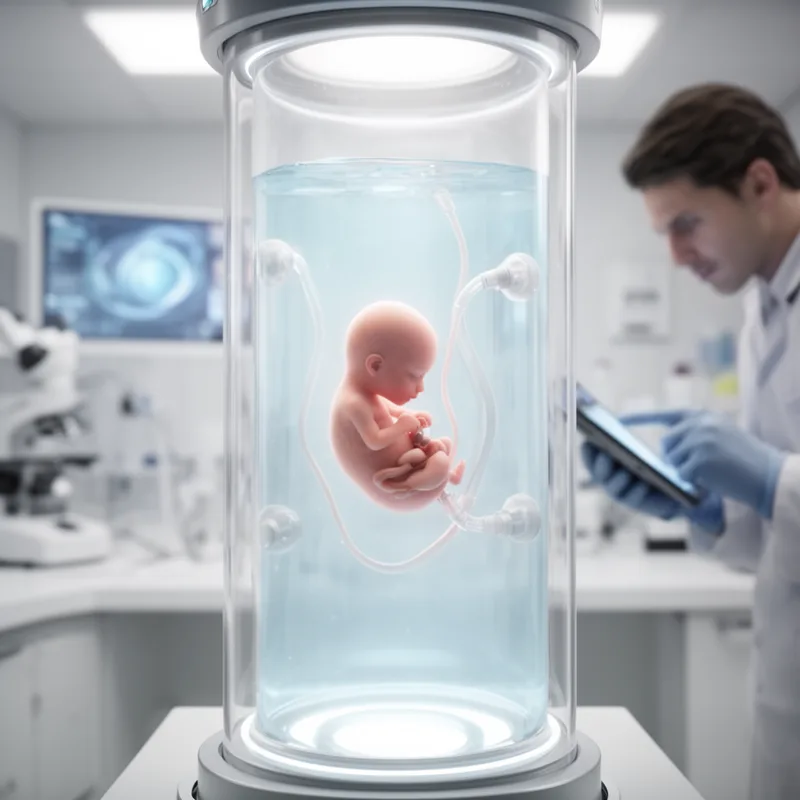
With advancements in science, ectogenesis could allow embryos to develop in artificial environments instead of traditional wombs.
-
It is worth noting that concepts such as parthenogenesis and ectogenesis figure within a long literary and theoretical feminist tradition of imagining alternative, more liberating modes of reproduction.
Fiction book (1996) -
It took a decided effort to forget all this and turn back to the simple mechanical problems of ectogenesis ...
Fiction book (1993) -
As a journalist, she had already recognized Haldane's potential when, in 1923, he published "Daedalus," an essay on the future of science that included many imaginative predictions, including ectogenesis, or pregnancy outside the body (Haldane 1923).
Academic text (1992) -
Many scientists believe that ectogenesis could reduce the risks traditionally associated with childbirth.
Surface Forms
Morphology
Etymology
Ectogenesis comes from Greek parts ecto- meaning 'outside' and -genesis meaning 'birth' or 'origin', the same root you see in the word genesis. So ectogenesis literally means 'birth outside' and describes the development of an embryo or baby outside the mother's body in an artificial environment.