

dwarfism
- noun
- /ˈdwɔrfɪzəm/
- Specialized
- The nursery introduced a new dwarfism trait in several conifer varieties for small urban gardens.
Examples
-
The dwarfism in these plants is due to a genetic mutation.
-
Cold stress during early development can cause temporary dwarfism in young seedlings, reducing their height.
-
After years of selective breeding, the rose breeder promoted dwarfism to make plants suitable for containers.
-
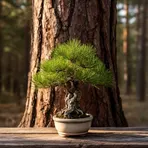
Many gardeners appreciate the dwarfism trait in bonsai trees.
-
Certain environmental factors can induce dwarfism in plants, leading to smaller growth.
-
Selective breeding can sometimes result in dwarfism among agricultural crops, creating more manageable sizes.
-
The genetic mutation responsible for dwarfism in some tree species allows them to thrive in compact spaces.
Synonyms
 14
3.9
14
3.9

A plant or animal much smaller than others of its kind

A condition in which a person is much shorter because of poor growth in childhood
Antonyms

How Compact

Surface Forms
Morphology
Etymology
Dwarfism comes from the old English word dwarf, meaning 'something very small', plus -ism, meaning 'a condition', and gardeners use the same idea for plants. So in botany dwarfism means the trait or condition of unusually small or compact growth.