

dunnage
- noun
- /ˈdʌnɪdʒ/
- Specialized
- Using dunnage made from recycled cardboard helped protect the fragile items during transit.
Examples
-
From 12 to 25 nautical miles from shore, anything may be dumped except plastic and floating dunnage (2,6).
Academic text (1998) -
The shipping company used pieces of dunnage to prevent the cargo from shifting during transport.
-
In lakes, rivers, bays, and sounds, and within 3 nautical miles of the shore, it is illegal to dump plastic, paper, rags, glass, metal, crockery, floating dunnage, or food.
Academic text (1998) -
After unloading the shipment, they found a lot of dunnage mixed in with the packaging materials.
Synonyms

 536
1.0
536
1.0

Material that people throw away after use, like food or packaging
 22
1.0
22
1.0
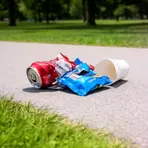
Waste left in public places like streets and parks
 1
7.4
1
7.4
Unwanted things left behind, often washed up on a beach

Things people throw away because they are not useful

Small pieces of rubbish left behind in a place
Antonyms

Surface Forms
Etymology
Dunnage can also mean the waste left after unloading, because the same packing that kept the goods safe becomes leftover scraps once the job is done. A helpful way to remember this is to picture a corner of a ship or warehouse full of old wood and plastic — that is 'dunnage'.