

dunghill
 1
9.8
1
9.8

- noun
- /ˈdʌŋˌhɪl/
- Informal
- To him, the city had turned into a dunghill, filled with pollution and neglect.
Examples
-
And the king, Nebuchadnezzar, answered and said to the Chaldeans, "I recall not my dream; if you will not make known to me my dream and its interpretation, you shall be cut in pieces, and of your tents shall be made a dunghill."
Fiction book (1991) -
Evil is a dunghill, Mr. Angel.
-
Go back to the dunghill of your failed philosophy and moronic infighting.
Blog text (34) -
On shipboard, he worried over the circumstances of some "dunghill fowls" the other passengers had brought on board "for eating." (n80)
Academic text (2007) -
He felt like he was living on a dunghill after losing his job and facing constant criticism.
-
Her once bright career had dwindled to a dunghill of missed opportunities and poor choices.
Synonyms

A state of being dirty or bad in a moral way, for example a filthy place

Dirt or mess that makes something dirty

A place that is very dirty and full of trash and bad smells
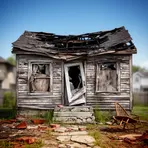
Something in very bad condition and nearly falling apart
Antonyms


Surface Forms
Morphology
Etymology
Dunghill comes from the words dung 'manure' and hill 'small mound', so it first meant a dirty heap. By that strong image, people began to call a place or situation that is very dirty, low, or shameful a 'dunghill', which is why it now has that figurative meaning.