

dullish
- adjective
- /ˈdʌlɪʃ/
- You might want to sharpen that dullish blade before preparing dinner.
Examples
-
After months of use, the chef noticed his favorite knife had become dullish.
-
The old scissors felt dullish and struggled to cut through the fabric.
-
This knife is dullish.
-
The blade feels dullish now.
-
The old scissors felt dullish and struggled to cut through the fabric.
-
After months of use, the chef noticed his favorite knife had become dullish.
-
You might want to sharpen that dullish blade before preparing dinner.
Synonyms

 109
1.0
109
1.0

An object with a dull edge or tip that does not cut well
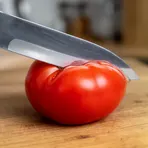 17
1.0
17
1.0
Not having a sharp edge so it cuts poorly


 1
2.5
1
2.5
Not having a cutting edge or point

Made less strong or clear
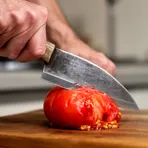
A blade or tool that is not sharp and does not cut well
Antonyms
How Sharp

Surface Forms
Morphology
Etymology
Dullish comes from the word dull plus the ending -ish, where dull means 'not sharp' and -ish means 'somewhat'. So dullish describes a blade that is 'a little blunt' and may need sharpening.