
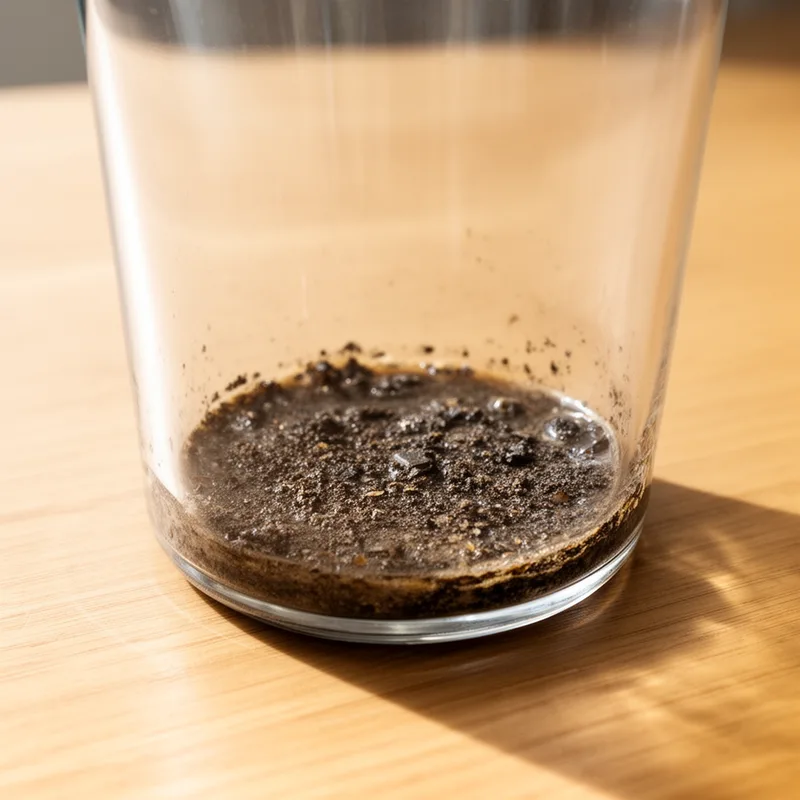
dreg
 1
8.8

- noun
- /drɛg/
- Before she fell asleep, she drank the dregs of the tea in the cup.
- the dregs of society
Examples
-
The meager morning light squeezes through stirred dregs of sky—pale yellow, weak, as though intimidated.
Fiction book (1998) -
After Flo had left, my Uncle Paddy emptied the teapot dregs into the fire with a vengeance.
Fiction book (1993) -
There were black coffee dregs in the cup nearest the tap.
Fiction book (1996) -
John found some cold dregs in his cup and drained them.
Fiction book (1990) -
There are tarry dregs left in the Aromaster, enough to fill half a cup.
Fiction book (1990) -
A beer can rolled into one corner had dribbled its dregs and caked dirt on the floor.
Fiction book (1994) -
When I finished my drink, I noticed the bitter dregs stuck to the bottom of the glass.
-
After the party, we found a few dregs of wine left in the bottle.
-
He swirled the dregs of the coffee in his cup to get the last bits of flavor.
Synonyms
 17
3.7
Fine soil left by moving water in a river or harbor
 13
7.5
Small bits that sink to the bottom of a drink like coffee or tea
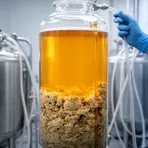

 1
9.9
Solid bits that settle at the bottom of a liquid during brewing

Small particles that sink to the bottom of a liquid
How Much

Surface Forms
Etymology
Dreg comes from an old German word that meant 'sediment' or 'the small bits left at the bottom of a drink', and it is the same idea as the common plural dregs. That's why dreg now means the tiny, often unwanted last part of a liquid, or by extension the last small 'bit' of hope.