
dower


 1
9.9
1
9.9
- noun
- /ˈdaʊər/
- Archaic
- When (referring to her education) she wryly says, "Had I no other portion to my dower, / I might have stood a virgin to this hour" (II. 39-40), she obviously suggests that money had too much influence on the marriage arrangements of her day.
Examples
-
His proposed solution was that "the husband must therefore pay one half of the dower fixed at the time of the marriage and break off the matrimonial tie."
Academic text (2004) -
The "spare" often received the mother's dower-lands as his share of the inheritance; there was nothing left for the third or any subsequent sons unless the inheritor chose to give him something for his own.
Blog text (30) -
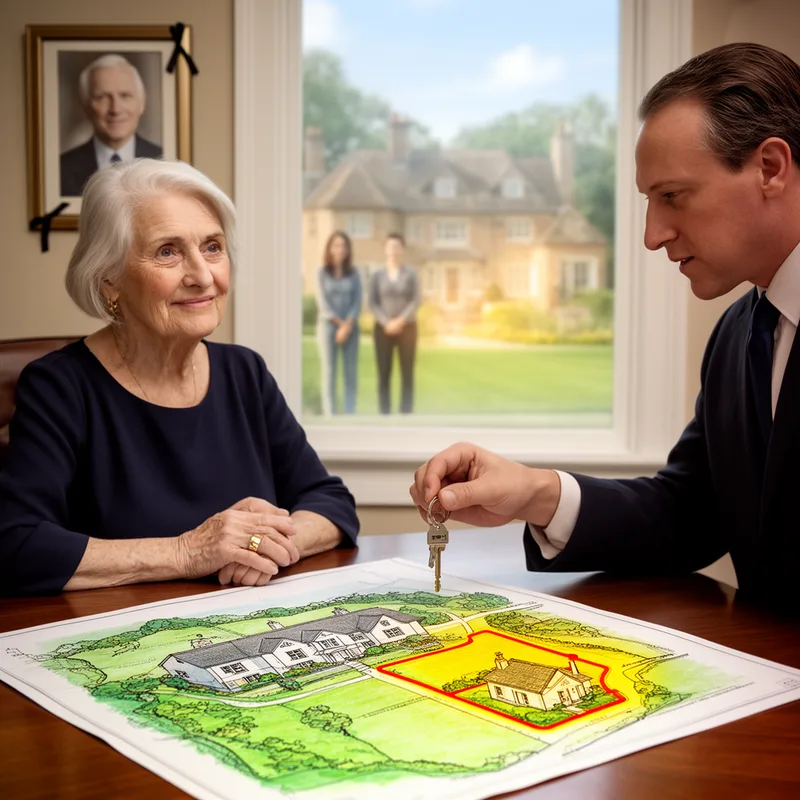
A widow has the right to claim her dower from her husband's estate after his passing.
-
The legal document outlined how the wife's dower would be secured for her lifetime.
-
Upon her husband's death, she was entitled to a dower that provided her financial security.
Surface Forms
Etymology
Dower comes from an old word dos meaning 'gift', the same root behind dowry and donate. It began as the part of a husband's property set aside as a gift for his wife, so a dower is the share a widow can use for life.