
dominionism
9.9
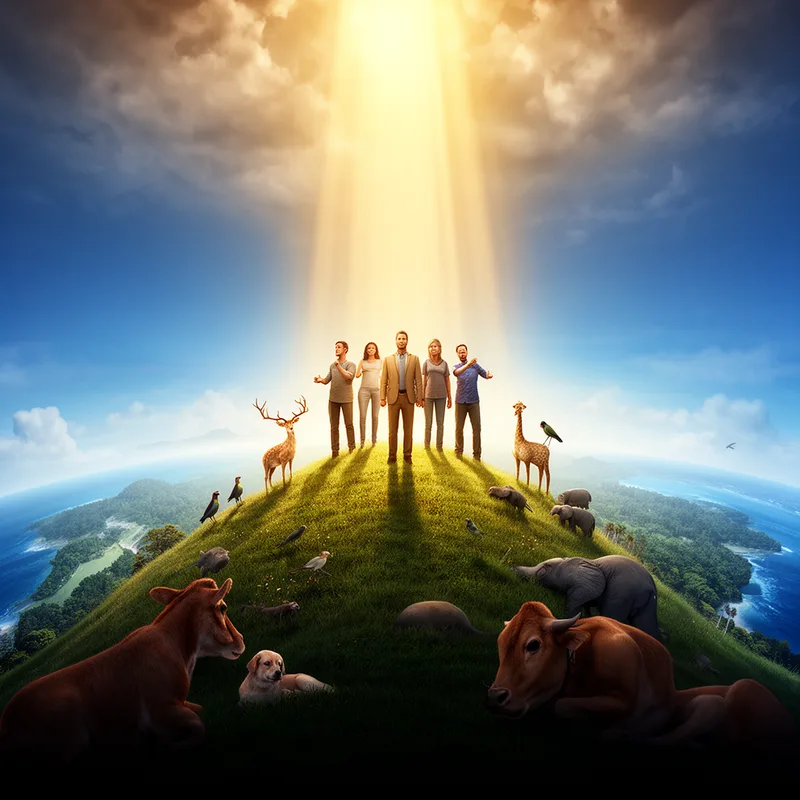
The belief that people have a right given by God to rule the earth and animals
- noun
- /dəˈmɪnjənɪzəm/
- US
:
doctrina del dominio
- The teachings of dominionism emphasize stewardship, suggesting that believers must care for the earth as part of their faith.
Examples
-
Many followers of dominionism believe they have a divine obligation to govern humanity and nature.
-
Dominionism also claims that its adherents have a God-given mandate to infiltrate the highest echelons of power and subsequently impose their beliefs on the entire world.
Blog text (17) -
Critics argue that dominionism can lead to the misuse of power through the politicization of religious beliefs.
Surface Forms
dominionism singular
dominionisms plural
Morphology
Etymology
Dominionism comes from dominion 'rule, control' plus -ism 'a belief or system'. The dominion part comes from the old Latin word dominus 'lord' and the same root as dominate, so Dominionism can mean the idea that humans have a God-given right to 'rule' the earth and its creatures.

