
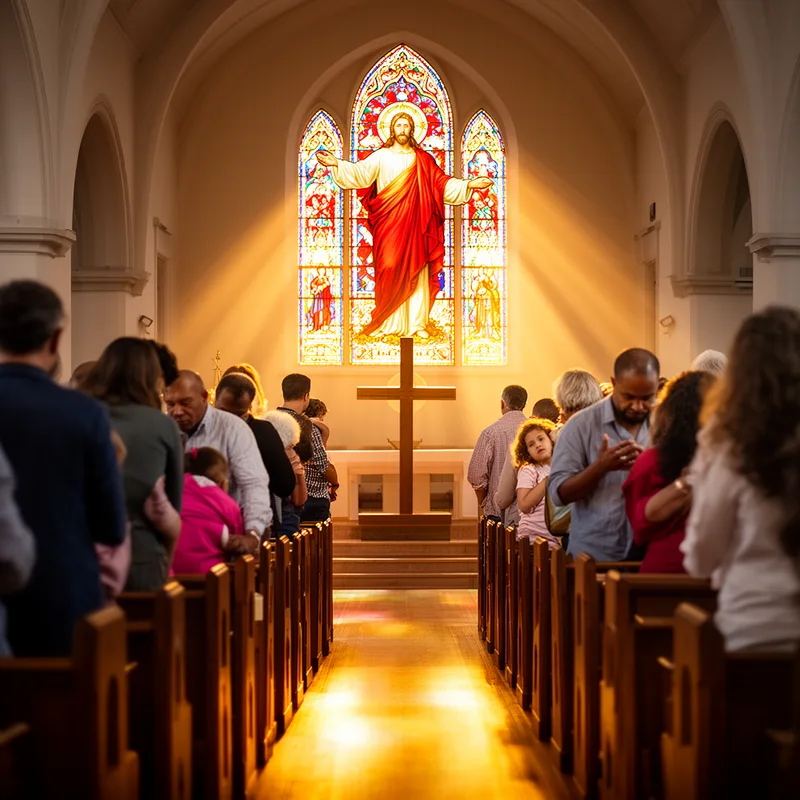
dominical
- adjective
- /ˈdɒmɪnɪkəl/
- Formal
- Many Christians reflect on dominical teachings during their weekly worship.
Examples
-
The church celebrated its dominical service on Sunday morning, honoring Jesus Christ.
-
Congar argued from a parallel in the institution of four sacraments whose dominical origin the New Testament does not clearly describe: confirmation, holy orders, marriage, and the anointing of the sick.
Academic text (2008) -
The dominical proclamation of faith is often recited at the start of each church service.
Compounds


Surface Forms
Morphology
dominical = dominic + al
Formed from a Latin-derived combining form 'dominic-' plus the adjective suffix '-al'; the root is not a productive standalone English word, so an average B1 learner cannot derive the meaning 'relating to the Lord/Sunday' from known English bases.
Etymology
Dominical comes from the Latin dominus, which means 'lord', the same root you see in words like dominate and domain. So dominical originally meant 'of the Lord' and now refers to Sunday as the 'Lord's Day' and to things connected with Jesus or Sunday worship.

