
dolomite
 1
8.4
1
8.4

- noun
- /ˈdɒləˌmaɪt/
- Specialized
- It is very common for carbonates to be diagenetically altered to dolomite long after deposition.
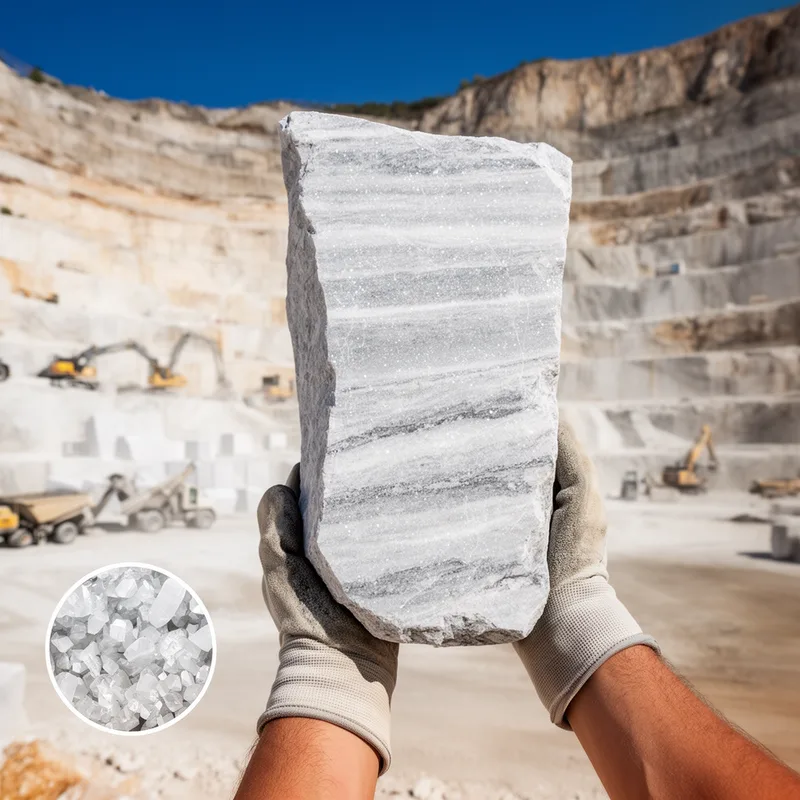
- dolomite rock
Examples
-
Its roots sink deep as well as wide into inhospitable rocky dolomite soil.
Blog text (33) -
With thin soil containing rock particles of dolomite, they feature boulders and occasionally expanses of exposed bedrock.
Academic text (2009) -
Ketona dolomite glades lie within an area about eleven miles long and one-half mile wide, forging openings within the surrounding dry forest.
Academic text (2009) -
A dark gray sedimentary rock, Ketona dolomite contains carbonates of calcium and magnesium without the usual impurities, including silica, that most other dolomites contain.
Academic text (2009) -
Carbonate bedrock (limestone and dolomite), which is common in much of central and eastern Pennsylvania, is typically more fractured and connected to the surface, allowing for rapid movement of groundwater and contaminants over large distances.
Academic text (2005) -
The hills in the region are predominantly made of dolomite, creating unique landscapes for hikers.
-
Geologists often sample dolomite to analyze its composition and compare it to limestone.
-
In construction, dolomite can be valuable for its strength and versatility as a building material.
Compounds

A mountain range in northeastern Italy with tall pale rock peaks popular with hikers
Surface Forms
Morphology
dolomite = Dolomieu (opaque) = dolom + ite
Formed from the proper name 'Dolomieu' plus the mineral-forming suffix '-ite'; the stem is an eponym and does not transparently convey meaning to learners.
Etymology
Dolomite as a rock also takes its name from the geologist Dolomieu, who described the famous rock layers in the Dolomite range. Like other stone names ending in -ite, dolomite means a type of rock similar to limestone that contains a lot of magnesium, which is why it is important in construction and industry.