
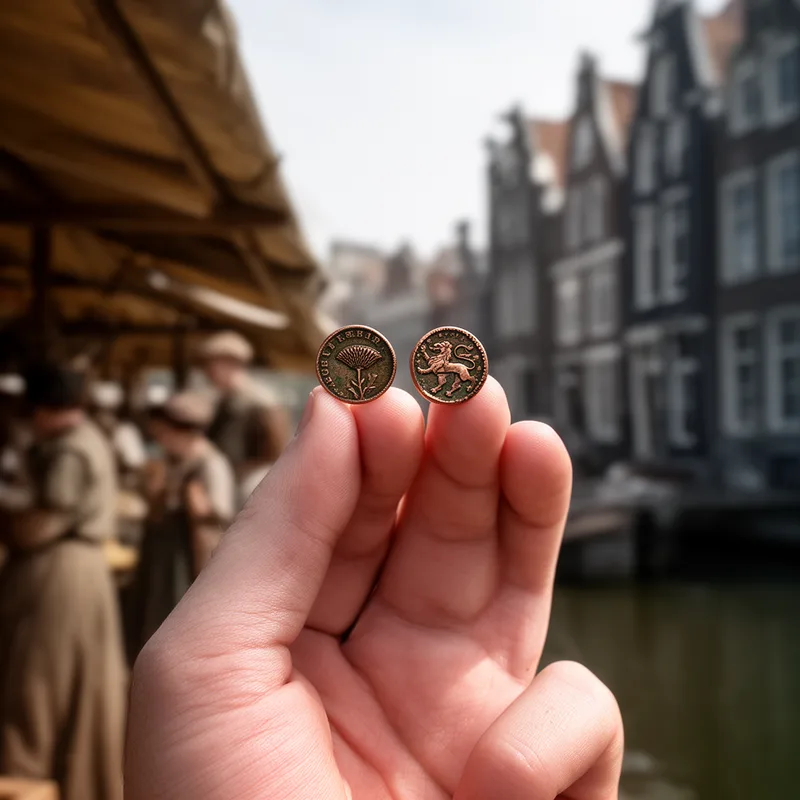
doit


 1
9.9
- noun
- Archaic
- When counting my change, I found several doits mixed in with the coins.
Examples
-
But most of it will be in doits and pence and other small coins.
Fiction book (1991) -
After an uncertain pause, one or two bold souls followed suit, and then a few more, digging copper doits and pence out of purse and sporran.
Fiction book (1991) -
In the old marketplace, vendors often accepted the doit as payment for very inexpensive items.
-
The children delighted in collecting old coins, especially the small, shiny doits from Scotland.
Synonyms
 4
9.9
An old British coin worth two pennies or a very small amount of money
 4
9.9
A British coin from the past worth a quarter of a penny, also meaning a very small amount
 2
9.9
An old French coin or a very small amount of money
 2
9.9
A small old British coin worth half a penny from before 1971
 1
9.9
A former British coin worth half of a penny, used until 1984
 1
9.9
An old Scottish coin from centuries ago that is worth very little
A small Dutch coin worth five cents before the euro

A small old coin from the Netherlands worth very little money
Surface Forms
Etymology
Doit comes from the Dutch word duit, which was a very small coin used in the Low Countries and later in Scotland. So a doit was literally a tiny coin of little value.