
dizygous
- adjective
- /ˌdaɪˈzaɪɡəs/
- Specialized
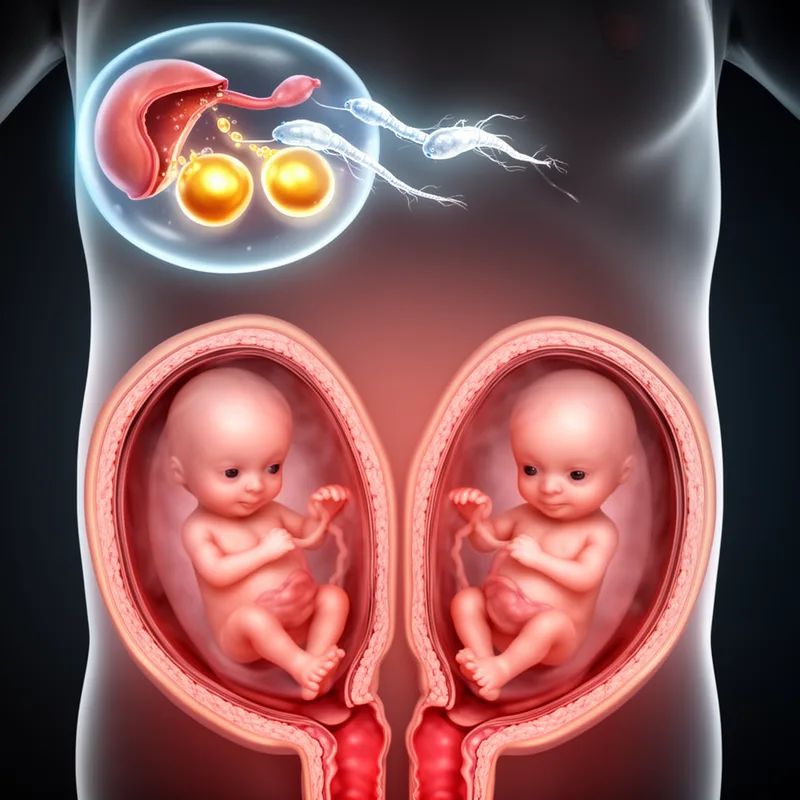
- In a dizygous pregnancy, each twin develops from a separate fertilized egg.
Examples
-
Fraternal twins are also known as dizygous twins in medical literature.
-
Are your twins dizygous or identical?
-
The probability of having dizygous twins is influenced by both genetics and the mother's age.
-
The couple had dizygous twins last year.
-
Fraternal twins are also known as dizygous twins in medical literature.
-
In a dizygous pregnancy, each twin develops from a separate fertilized egg.
-
The probability of having dizygous twins is influenced by both genetics and the mother's age.
Synonyms

 7
5.9
7
5.9

Twins who come from two different eggs and are not identical


 1
9.1
1
9.1
Twins born from two different eggs fertilized by two different sperm and so not identical
 1
7.7
1
7.7
Twins born from different eggs who are not identical
Surface Forms
Morphology
dizygous = zygous (transparent) = di + zyg + ous
Formed by the productive prefix 'di-' (two) added to 'zygous' (pertaining to a zygote), so the meaning 'from two zygotes' is compositionally clear.
Etymology
Dizygous comes from the parts di- 'two' and zygote 'fertilized egg'. So dizygous describes twins that come from two separate fertilized eggs, which is why it means 'fraternal'.