

divarication
- noun
- /ˌdaɪvəˈreɪkʃən/
- Specialized
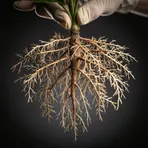
- During the divarication of the root systems, the plants spread out widely in the soil.
Examples
-
The botanist observed the divarication of the flowers as they unfolded in the spring.
-
An unusual divarication was noted in the blood vessels near the heart.
-
Botanists studied the divarication of the shrub's branches to identify the species.
-
The divarication of the tree's main limbs gives it a striking, open appearance.
-
The divarication of the branches creates a beautiful shape.
-
The divarications in the plant's structure are fascinating.
-
The divarication of the tree branches created a beautiful canopy overhead.
Synonyms
 1
7.5
1
7.5

A structure with many branches like a tree

A tree-like branching pattern seen in nerve cells and blood vessels
Antonyms
 21
6.5
21
6.5
Different ideas, methods, or technologies coming together and becoming more similar
How Wide

Surface Forms
Morphology
divarication = divaricate (transparent) = divaric + ation
Regular nominalization of the verb 'divaricate' using the noun-forming suffix '-ation' (the verb stem 'divaric-' combines with '-ation' to yield 'divarication').
Etymology
Divarication comes from Latin parts di- 'apart' and a root meaning 'to bend or spread', the same idea you see in diverge, so imagine a stem or vessel bending outward into separate arms like roads that split. So, divarication means the branching or wide spreading apart of parts such as branches or blood vessels.