
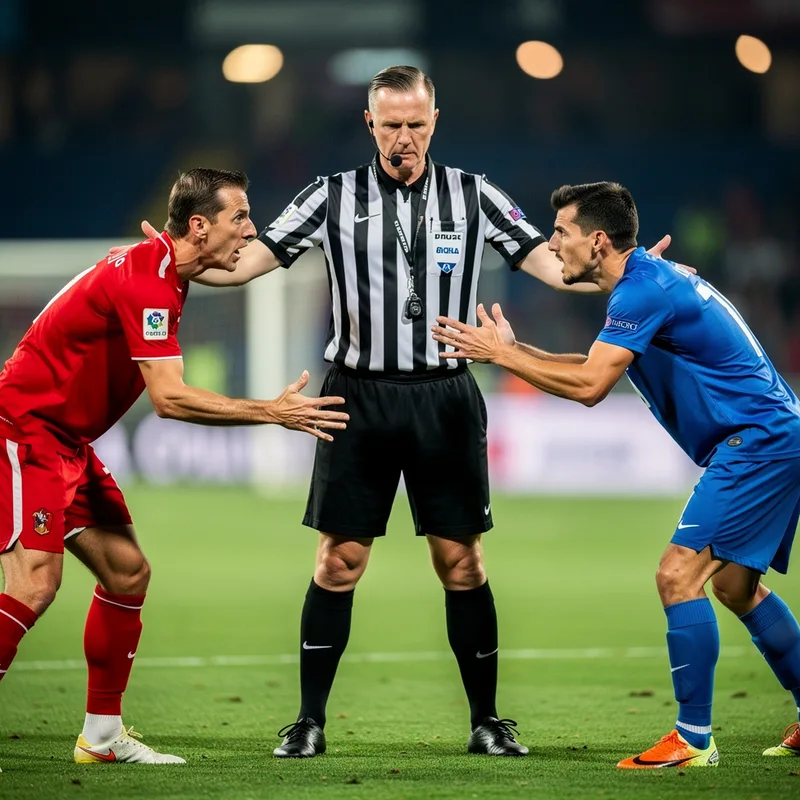
disinterested
 22
5.9
22
5.9

- adjective
- /ˌdɪsˈɪntrəstɪd/
- A second premise was that of objective, which is to say, non-political, or disinterested, knowledge.
- disinterested observer
- disinterested party
- disinterested pursuit of truth
Loading YouTube…
Watch on YouTubeIn contrast, all of what I just talked about, you can't even find a mainstream media disinterested account of it.
- In contrast, all of what I just talked about, you can't even find a mainstream media disinterested account of it.
- So the first way is to say that friendship really is in some respect about pleasure, and it's not disinterested.
Examples
-
A disinterested witness may be of more value.
-
The basic formula I learned was that the academic tradition was a disinterested pursuit of truth.
Academic text (1991) -
The results are just what one might expect: problems of quality control and disinterested assessment.
Academic text (1995) -
May I attend as a disinterested party?
-
And it was this kind of objective, disinterested, unburdened point of view that I'd never experienced before.
-
Yet this epoch-making feat... failed to impress a disinterested public.
-
At the other end of the spectrum, the EPA could merely act as a disinterested mediator between states.
Academic text (1996) -
Passive students are or soon tend to become disinterested, non-motivated, responsive, and ineffectual learners.
Academic text (2008) -
The record demonstrates that Oppenheimer was not interrogated by impartial and disinterested counsel for the Gray board.
-
The judge remained disinterested throughout the trial, ensuring a fair outcome for both parties.
Synonyms
 218
3.6
218
3.6
Not supporting either side in a conflict
 74
4.2
74
4.2
Not supporting one side and treating people fairly
 43
4.4
43
4.4
Does not show personal feelings or opinions and treats people fairly
 14
6.7
14
6.7
Not letting strong feelings affect your judgment
 10
3.7
10
3.7
Not supporting one person or group in a situation
 1
6.0
1
6.0
Fair and not influenced by personal feelings or opinions when judging people and ideas


 1
4.5
1
4.5
Not favoring one person or group and treating all sides fairly
 1
6.0
1
6.0
Not having strong opinions or showing them

Not favoring any person or side and treating all fairly

Does not let personal feelings affect a decision

Not supporting either side in a dispute

Not showing unfair dislike or bias toward other people
Antonyms

How Impartial

Surface Forms
Morphology
disinterested = interested (opaque) = dis + interest + ed
Although formed as 'dis-' + 'interested' (not + having interest), the primary modern meaning 'impartial' cannot be derived as a simple negation and therefore is not predictable from the base.
Etymology
Disinterested comes from dis- 'not' and interest 'a personal stake or advantage', so it originally meant someone 'without a personal interest'. That's why a disinterested person, like a judge or referee who has nothing to gain, can be fair and neutral.