
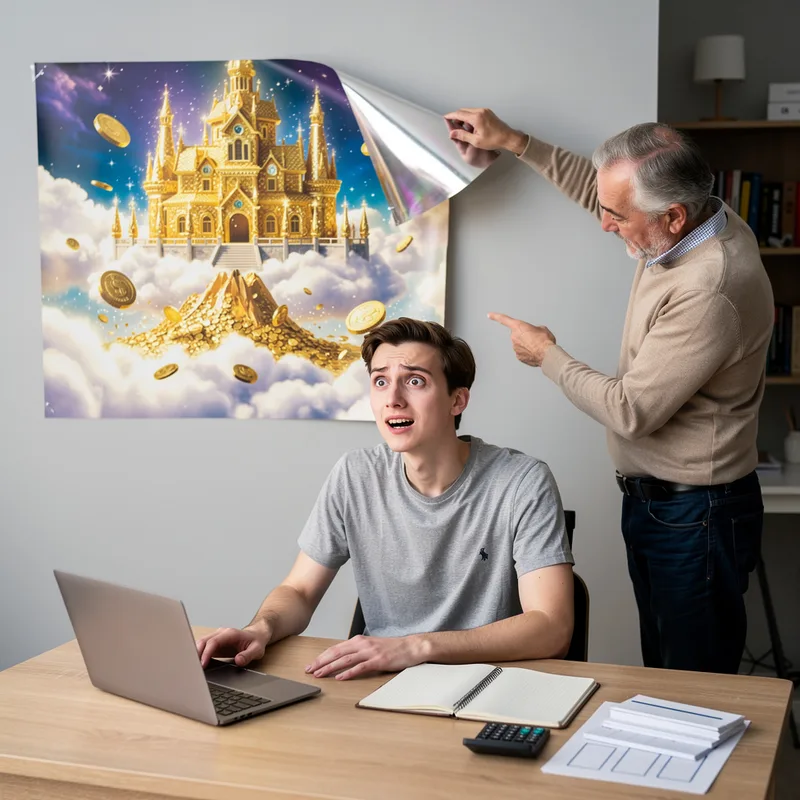
to disenchant
 2
7.1
2
7.1

- verb
- /ˌdɪsɪnˈtʃænt/
- At the time, Jimmy was getting a little bit disenchanted for whatever reason.
Examples
-
Parents disenchanted with perceived low achievement charge that the middle school's child-centered focus gives scant attention to academic achievement (Beane 1999a, 1999b).
Academic text (2001) -
These individuals have difficulty shedding pounds and thus have become disenchanted by the whole process.
Blog text (18) -
Education is one of the social processes that disenchants us, but it also has the capacity to help re-enchant our world.
Academic text (1995) -
At the outset, citizens were disenchanted with Kim Young Sam's success.
Academic text (2004) -
Sections of the industrial capitalists are disenchanted with the system of bureaucratic controls in general.
Academic text (1997) -
"The advertisement has obvious appeal to those disenchanted with aggressive, judgment-laden journalism.
Academic text (2000) -
His first converts were Christian knights who'd also become disenchanted by the bloodshed.
-
After years of disappointment, she finally became disenchanted with the promises of the political leaders.
-
Many fans became disenchanted after the latest film did not meet their expectations.
-
The students felt disenchanted with the educational system after consistently receiving poor guidance from their teachers.
Synonyms
 18
6.4
18
6.4
To make someone realize that something they believed is not true
 7
8.8
7
8.8
To show someone that a belief they have is wrong
 2
6.7
2
6.7
Making someone see that something is not as good as it seemed


 1
9.9
1
9.9
Make someone stop believing something false
 1
9.0
1
9.0
Make someone stop believing something they used to think
 1
9.9
1
9.9
To free someone from control or false ideas
 1
9.9
1
9.9
To remove a magic spell from someone or something

Making someone or something seem less special by showing the truth
Antonyms


How Disenchanted

Surface Forms
Morphology
Etymology
Disenchant comes from dis- meaning 'remove' and enchant, which is like chant meaning a 'magic song' or 'spell'. So, to disenchant someone is to take away a spell or charm, and that's why it now means making someone stop believing in a false idea.