

discordantly


 1
7.9
1
7.9
- adverb
- /dɪsˈkɔrdəntli/
- The children sang discordantly, their off-key voices creating a jarring melody.
Examples
-
The band played discordantly, leaving the audience confused by the harsh sounds.
-
There was something discordantly familiar about the dog barking.
Fiction book (1998) -
"Bre...el!" Caidrun, running toward them, her heynim jigging discordantly.
Fiction book (1993) -
"Pasternak halted and peered through an open doorway into a brightly lit, smoky place, where an accordion played and a few people at the tables discordantly sang.
Fiction book (1993) -
As she walked through the crowded street, the horns and sirens blared discordantly in the background.
Synonyms
 3
7.9
3
7.9
In a way that seems out of place for the situation
 1
8.2
1
8.2
In a way that shocks and feels out of place
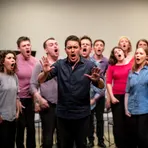
In a way that sounds or looks bad together

To make loud, harsh, and unpleasant sounds

In a way that looks or sounds very different and unpleasant together
Antonyms

How Discordant

Surface Forms
Morphology
discordantly = discordant (transparent) = discord + ant + ly
The adverb is a straightforward -ly derivative of the adjective 'discordant', which itself transparently derives from 'discord' + -ant.
Etymology
Discordantly comes from dis- meaning 'not' and cord meaning 'heart', so the word once meant 'not of one heart' or 'not in agreement'. That's why discordantly describes sounds or actions that clash or feel harsh, as if they do not 'beat together'.