
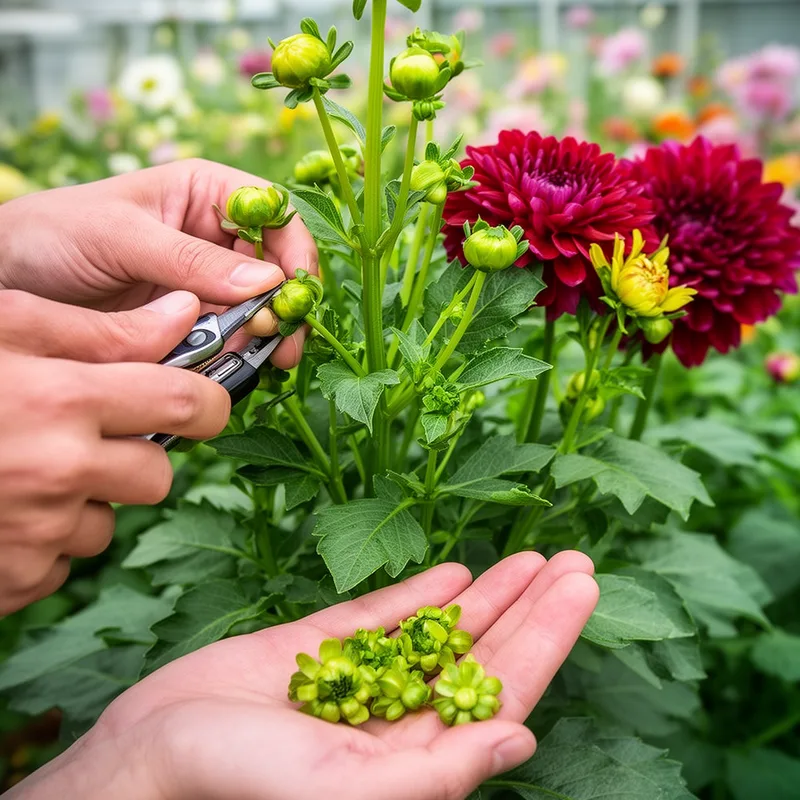
to disbud
- verb
- /dɪsˈbʌd/
- Specialized
 :
desbudar
:
desbudar
- It is important to disbud chrysanthemum plants early in the growing season.
Examples
-
To encourage larger roses, gardeners often disbud the weaker side shoots.
-
She spent the afternoon carefully disbudding her dahlias to ensure a beautiful display.
-
You should disbud the roses for better blooms.
-
The gardener disbudded the plants yesterday.
-
To encourage larger blooms, gardeners often disbud their flowering plants in early spring.
-
If you want to improve the quality of your roses, it's best to disbud the small buds and leave the strongest ones.
-
For better yields, make sure to disbud the extra shoots from the main stem of the tomato plant.
Synonyms
 5
6.1
5
6.1

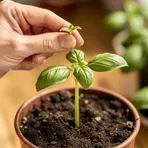
Cut off the tip of a plant shoot to make it grow more branches
 2
6.1
2
6.1
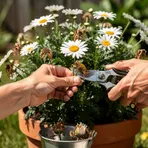
To remove dead flowers from a plant to help it make more blooms
Antonyms
Surface Forms
Morphology
Etymology
Disbud comes from the parts dis- 'remove' and bud 'small growth'. So, to disbud a plant is to remove some buds so the remaining flowers can grow larger.