
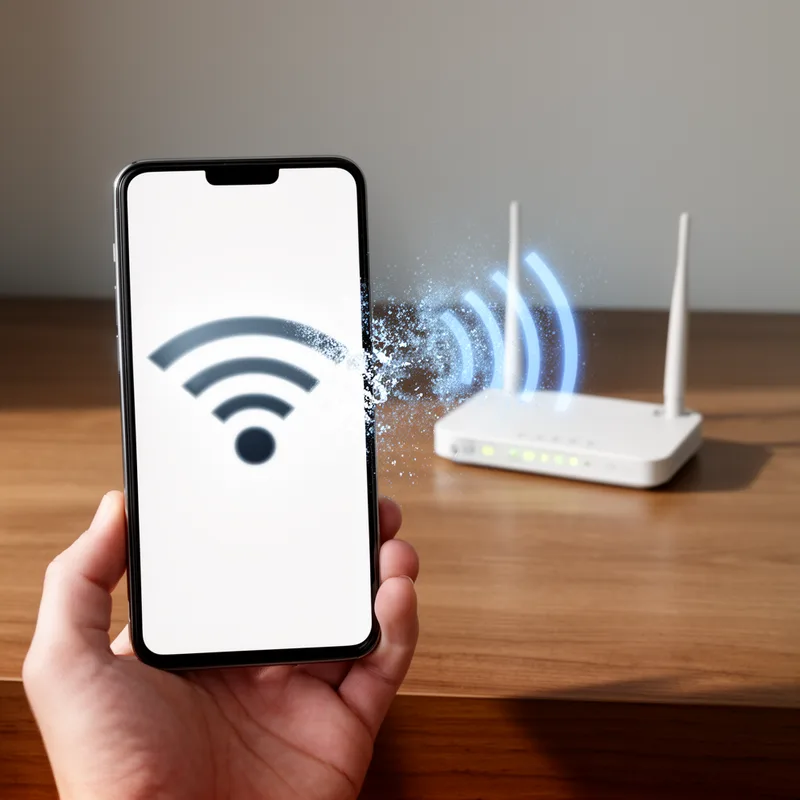
disassociation
- noun
- /ˌdɪsəˈsoʊsieɪʃən/
- Specialized
- The smartphone experienced repeated disassociation from the access point, causing slow reconnections.
Examples
-
The sudden disassociation of the laptop from the Wi-Fi network left the user frustrated during the video call.
-
During troubleshooting, the router log showed a sudden disassociation of several clients at midnight.
-
Engineers implemented a firmware fix to prevent unexpected disassociation during heavy network traffic.
-
The disassociation from the network was unexpected.
-
After the disassociation, the device failed to reconnect.
-
Due to heavy interference, the smart TV faced disassociation from the streaming service, interrupting the show.
-
The wireless printer reported a disassociation error when it lost connection to the home network during the print job.
Synonyms

 9
4.2
9
4.2

Being separate from people, things, or contact, for example losing internet
 4
6.1
4
6.1
The act of separating something from the thing it is connected to
 1
6.5
1
6.5
The act of stopping a connection or ending involvement with something


 1
7.8
1
7.8
The act of separating something from a group or connection
Antonyms

Surface Forms
Morphology
disassociation = disassociate (semi-transparent) = dis + associate + ion
The noun is formed in a regular way from the verb 'disassociate' and means the act or state of disassociating.
Etymology
Disassociation comes from the prefix dis- 'apart' and associate 'to join or connect', the same idea you see in associate or social. That is why in networking it means a device has been put 'apart' from the access point and is no longer connected to the network.