
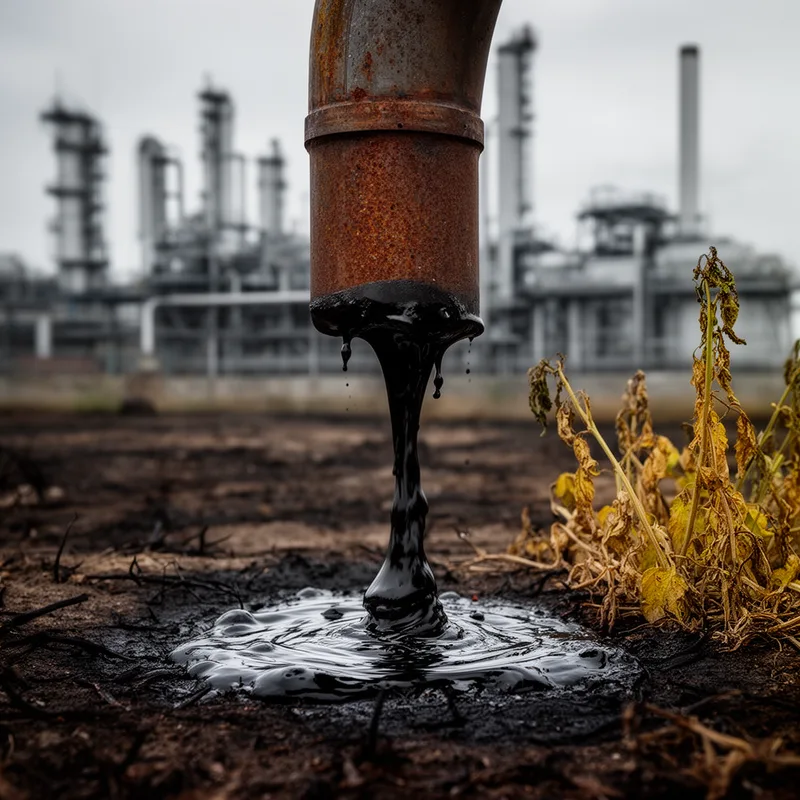
dioxin
 11
9.9

- noun
- /daɪˈɒksɪn/
- Specialized
- The only disease known to be caused by dioxin is chloracne, a severe skin lesion that is disfiguring.
- dioxin exposure
- dioxin emissions
- dioxin-like compounds
Loading YouTube…
Watch on YouTubeAnd what you should be looking for are actually dioxins that sit in the soil.
- And what you should be looking for are actually dioxins that sit in the soil.
- Those are banned now, the dioxins and the PCBS and so on.
- Not only tries they, they do poison Yushchenko with dioxin.
- And it was based on the fact that chlorine was a constituent of dioxin's DDT and other chlorinated hydrocarbons.
- If we were to go look, they have chlorine bleach, dioxin, all these synthetic fibers that we place inside of us at such a delicate time.
Examples
-
We've got levels of dioxin off the chart for these waters.
-
A definitive position on dioxins' risk will not be released by the EPA for several years.
Academic text (1993) -
Men have no way in their bodies to get rid of dioxins but women have two ways.
-
Much of the controversy surrounding dioxin risk assessment reflects the selection of methods of analysis.
Academic text (1993) -
And what you should be looking for are actually dioxins that sit in the soil.
-
The study found no increased cancer risk among 3,500 workers with average dioxin levels ninety times greater than normal.
Academic text (1993) -
Those are banned now, the dioxins and the PCBS and so on.
-
Assimilative capacity assessments ask, "How much dioxin is safe in the milk of an infant's mother?"
Academic text (1993) -
There are seventy-five possible dioxins (also known as dibenzo-p-dioxins) and 135 chlorodibenzofuran compounds.
Academic text (1993) -
The chemical factory was responsible for releasing dioxin, a highly toxic substance, into the nearby river.
Synonyms
 143
5.3
A poisonous substance that some animals, plants, or bacteria make


 1
9.5
A poisonous substance that can harm people and animals
Surface Forms
Morphology
dioxin = di + ox + in
A specialised chemical name built from technical combining forms ('di-' and 'ox' with the suffix '-in') that do not yield the meaning 'highly toxic compound' for an average learner, so the word is not derivable from its parts.
Etymology
Dioxin begins with di- ('two') and uses oxygen because these chemicals contain two oxygen atoms in their molecule. So, the name points to that simple chemical feature and explains why the word refers to this particular, dangerous group of chemicals.