
dioecy
- noun
- /daɪˈoʊəsi/
- Specialized
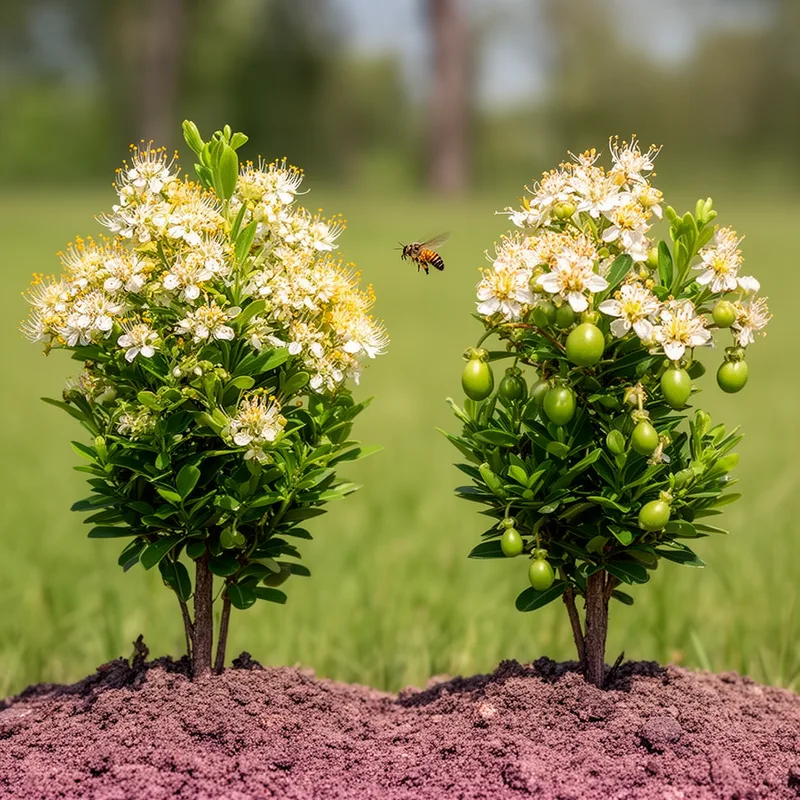
- In the plant kingdom, dioecy is common among species like kiwifruit, where separate male and female plants each produce different reproductive organs.
Examples
-
There are two breeding systems (monoecy and dioecy), and coevolution with highly specific pollinators has led to considerable variation in floral traits (Herre 1989, Kjellberg et al. 2001).
Academic text (2005) -
Dioecy appears to have evolved twice and been lost three times—once leading to the Sycomorus figs, and twice in two isolated species in section Sycocarpus.
Academic text (2005) -
Dioecy ensures genetic diversity, as it requires fertilization between male and female individuals for reproduction.
-
Many flowering plants exhibit dioecy, meaning that only female plants bear fruit while male plants produce pollen.
Antonyms
Surface Forms
Morphology
dioecy = dioecious (opaque) = dioec + y
The formation from the adjective 'dioecious' to the noun 'dioecy' by adding -y is a regular, recognizable word-formation step.
Etymology
The word dioecy comes from the Greek parts di- ('two') and oikos ('house'), so it pictures a species having 'two houses'. That's why dioecy means a species where male and female individuals are separate, each producing only male or only female reproductive parts.

