
dineutron


 1
9.9
- noun
- /ˈdaɪˌnjuːtrɒn/
- Specialized
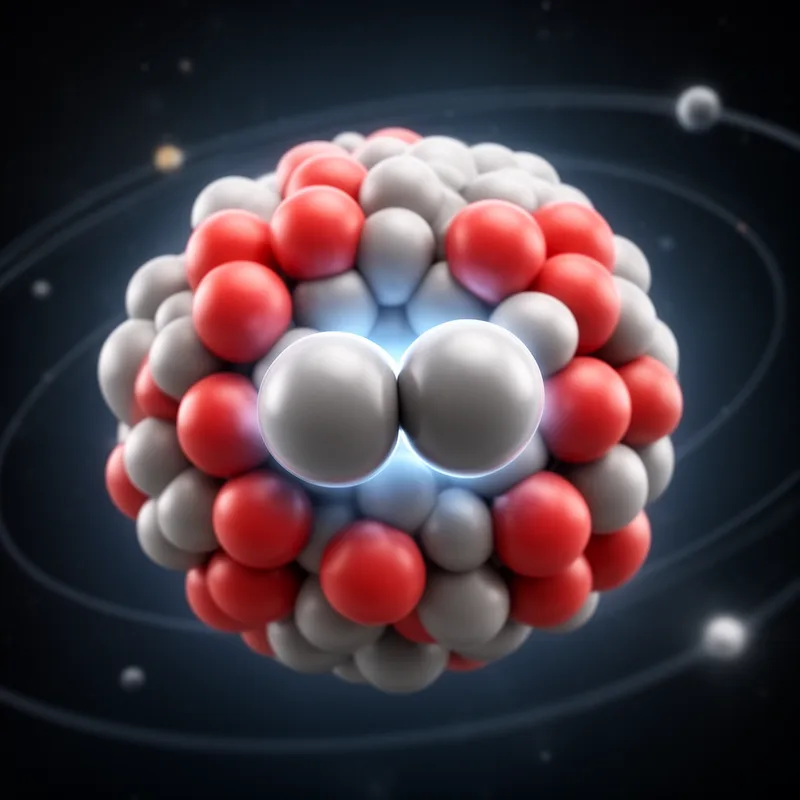
- In the experiment, the researchers successfully observed a dineutron, which consists of two neutrons bound together.
Examples
-
"We have for the first time unambiguously observed dineutron decay and clearly identified it in beryllium-16," said Artemis Spyrou, professor of nuclear physics.
Blog text (17) -
But instead of emitting known patterns of radiation, the nucleus ejected two correlated neutrons simultaneously—a dineutron.
Blog text (17) -
Two Neutrons at the Same Time: Discovery of Dineutron Decay
Blog text (17) -
Graphic illustration of dineutron decay and the other decay modes that the nucleus could have potentially gone through.
Blog text (17) -
Though physicists had long theorized about the existence of this form of decay, this was the first experiment to see the dineutron event in action.
Blog text (17) -
The newly discovered dineutron decay mode joins the 15 other known forms of atomic decay, including double proton emission, double beta decay, and double positron emission.
Blog text (17) -
The detection of a dineutron marks a significant advancement in our understanding of nuclear interactions.
-
Scientists published findings on the rare occurrence of a dineutron in the decay of beryllium-16.
Surface Forms
Morphology
Etymology
Dineutron combines the prefix di- meaning 'two' and neutron, a name from 'neutral' for the neutral particle in the atom. So a dineutron is literally a 'pair of neutrons', two neutrons bound together, which explains its modern use in nuclear physics.