
to dike


 1
7.3
1
7.3
- verb
- /daɪk/
- US
- They diked off estuarine and coastal mangrove areas to trap brackish water marine life, which they harvested after a 45- to 60-day growth period.
- diked wetland
- diking and draining
Examples
-
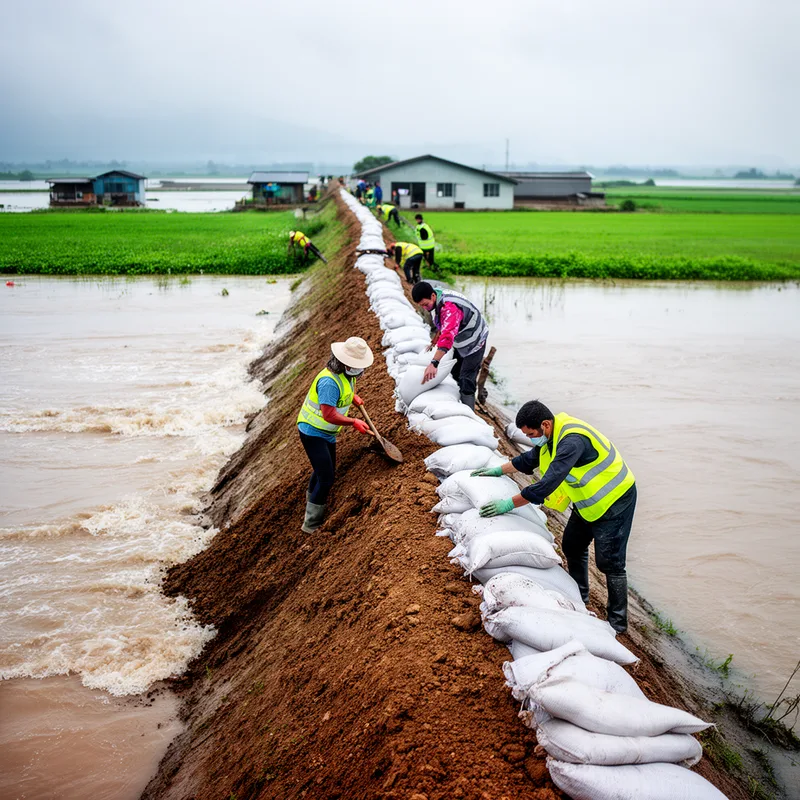
Farmers work hard to dike the fields to prevent flooding during heavy rains.
-
The King was seen on the news, in muddy hip boots, helping to dike the fens against the wake.
Fiction book (1993) -
For more than a century, the nation's largest wetland has been drained, diked, and ditched.
Academic text (1994) -
The diked grounds ranged in size from 1 acre on steep beaches to 15 acres on broad flats.
Academic text (1996) -
At Estero de Punta Banda, monthly sampling documented that Sb and Se persisted only 13 months after a large portion of the salt marsh was diked.
Academic text (2001) -
To protect the coastal town from rising tides, engineers decided to dike the area with a series of barriers.
-
After the storm, the city began to dike the riverbanks to avoid future disasters.
Synonyms
 1
1.8
1
1.8
To block a river or stream by building a barrier
Antonyms

How Protected

Surface Forms
Etymology
The verb dike comes from the same old English root as the noun dike and the word ditch, which meant 'a trench or bank', so to dike land is to build a bank around it to keep water away.